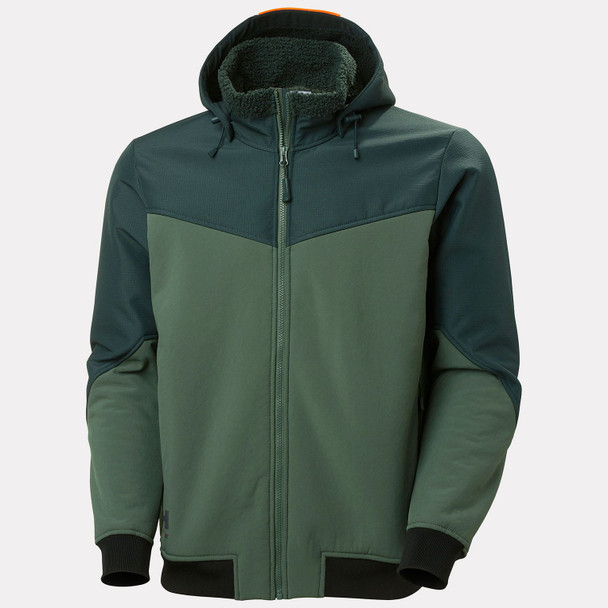
Description
Oxford Winter Softshell Jacket
Details
- Fiber content:
Main Fabric: 94% Polyester, 6% Elastane - 457g/m²
Secondary Fabric: 100% Polyester - 558g/m² - Spruce(74291_474),Navy(74291_590), Black(74291_990).
Features
- EN 14058:2017: 2, 3, X, X
- YKK® Zipper
- AMANN threads
- Pile fleece lining
- No shoulder seams
- Adjustable hood with drawcord and fastener
- Detachable hood
- YKK® front zipper
- Hand pockets with YKK® zipper
- Articulated sleeves for optimal mobility
- Rib-knit at bottom sleeve and hem
- Reflective design details
More Info
Winter Softshell Jacket for Cold-Weather Workwear
The Oxford Winter Softshell Jacket is a winter softshell jacket designed for cold-weather workwear, outdoor shifts, and professional site tasks. Site supervisors, maintenance technicians, and warehouse workers typically use this fleece lined jacket to stay comfortable while moving through changing conditions. This is EN 14058:2017 certified equipment and features a pile fleece lining, articulated sleeves, and a detachable hood for versatile wear.
Industry Applications and Professional Use
Construction Work Environments
Construction crews typically wear this cold weather workwear on outdoor sites during chilly seasons and early starts. The work jacket supports site supervision, material checks, and movement between indoor and outdoor areas. Its weather-ready jacket design, articulated sleeves, and professional finish suit active tasks where layering matters.
Manufacturing Facilities
Manufacturing workers often use this industrial apparel in cooler plant areas, loading zones, and transition spaces. The polyester elastane blend helps the jacket move with the body during repetitive tasks. Rib-knit cuffs and hem support a secure feel through long shifts.
Warehousing and Logistics
Warehouse teams rely on this winter work jacket for daily use in docks, storage aisles, and cold receiving areas. The zippered hand pockets and YKK zipper offer practical function during routine handling tasks. Workers can layer it as an outer layer without losing mobility.
Transportation Operations
Transportation workers commonly choose this cold-weather clothing for yard work, fleet checks, and outdoor transfer points. The reflective design details add visibility in low-light environments. This makes the jacket a practical option for professional use around vehicles and equipment.
Utilities and Municipal Services
Utility crews and municipal teams often wear this thermal workwear when they work in cold, weather-dependent conditions. The detachable hood and fleece lined construction help support comfort during changing weather. All Safety customers often select this style when they need dependable outerwear with a professional finish.
Technical Specifications and Product Features
Understanding Product Standards
Specifications matter because cold-weather outerwear must balance warmth, movement, and durability. EN 14058:2017 indicates the jacket meets a recognized standard for protection against cool environments, while the fabric blend and construction features support everyday wear. These details help workers choose winter workwear that fits layered jobsite demands.
| Specification | What It Means | Practical Benefit |
|---|---|---|
| EN 14058:2017 | Cold-environment apparel standard | Supports selection for cool-weather work conditions |
| Pile fleece lining | Soft inner insulation layer | Helps add warmth for cold shifts |
| 94% polyester, 6% elastane main fabric | Durable stretch fabric blend | Allows movement while maintaining a work-ready shape |
| YKK zipper and AMANN threads | Quality closure and stitching components | Supports regular use in demanding work settings |
Use Case Scenarios and Applications
Outdoor Winter Work
Workers often wear this winter softshell jacket on outdoor job sites when temperatures drop and conditions change through the day. The detachable hood gives flexibility, while the rib-knit cuffs and hem help create a closer fit. The jacket works well as an outer layer during active work.
Daily Shift Layering
Teams commonly use this fleece lined jacket for everyday wear across cold seasons. It layers over workwear without adding unnecessary bulk, which helps during movement and repeated tasks. The articulated sleeves support a natural range of motion.
Cold Storage and Dock Work
Warehousing staff and logistics crews often choose this jacket for cold docks, receiving areas, and transfer points. The zippered hand pockets provide practical storage for small items. The design supports routine use in industrial settings.
Weather-Dependent Field Tasks
Utility and municipal workers usually need outerwear that handles wind, light weather changes, and active field work. The reflective design details and secure closures support professional visibility and function. This makes the jacket a versatile option for variable winter schedules.
Ideal Applications and Work Environments
Where This Winter Softshell Jacket Excels
- Outdoor construction and site supervision: The pile fleece lining and articulated sleeves support warm, mobile work during cold-weather site visits.
- Warehouse and logistics operations: The rib-knit cuffs, hem, and zippered hand pockets suit daily handling tasks and indoor-outdoor transitions.
- Utility and maintenance work: The detachable hood and weather-ready jacket construction adapt well to changing field conditions.
- Transportation and municipal field work: The secure zipper system and reflective design details support professional use around vehicles and equipment.
Not Recommended For
- Heavy rain exposure: This jacket suits cool and variable conditions, but a dedicated waterproof shell may work better for prolonged wet weather.
- High-heat environments: Workers in hot indoor settings may prefer lighter workwear or a breathable layer instead.
Professional Applications
Workers Who Rely on This Equipment
- Site supervisors: They wear it during outdoor inspections and cold-weather coordination.
- Maintenance technicians: They use it for repair tasks in chilly utility and facility environments.
- Warehouse workers: They rely on it for routine dock work and storage movement.
- Utility workers: They commonly use it for outdoor service calls and field checks.
- Transportation workers: They wear it around yards, vehicles, and loading areas.
- Safety coordinators: They choose it for professional cold-weather outerwear on active job sites.
Complete Safety Equipment Solutions
Complementary Safety Gear
This winter softshell jacket works alongside other equipment for a more complete cold-weather setup. Layering matters because workers often move between temperatures, tasks, and exposure levels during a shift. A coordinated system helps teams stay organized and ready for changing conditions.
Recommended Equipment Combinations
- Outdoor site work: Winter softshell jacket + work gloves + hard hats + insulated work pants
- Warehouse cold storage: Winter softshell jacket + work gloves + insulated work pants
- Low-light field tasks: Winter softshell jacket + hi-viz vests + hard hats
Selection Guide and Product Suitability
When to Choose This Product
Choose this jacket when you need cold-weather workwear for outdoor shifts, site supervision, or warehouse transition areas. It performs well for daily-use winter tasks that call for warmth and mobility. It also suits workers who want a professional finish with a detachable hood and reflective design details.
Key Evaluation Factors
- Cold-weather insulation needs
- Mobility requirements for active work
- Layering space over base workwear
- Visibility and pocket storage preferences
Limitations and Alternative Considerations
This jacket is not ideal for tasks that require full waterproof protection or specialized high-heat outerwear. A dedicated rain shell or lightweight work layer may suit those situations better. Available from All Safety with standard, expedited, or overnight shipping to suit project timelines.
Daily Use and Maintenance
Workplace Integration
Workers typically wear this jacket when they start cold shifts, move outdoors, or work in weather-dependent conditions. Adjust the hood and closures per manufacturer instructions for a better fit across changing tasks. In warehouses and job sites, crews often wear it as a winter outer layer over standard workwear.
Care and Replacement Guidelines
Inspect the zipper, hood attachments, seams, and reflective design details regularly per manufacturer instructions. Clean the polyester and elastane materials according to the care guidance for the garment. Replace the jacket when fabric, closures, or insulation show significant wear, and store it in a dry, clean area away from excess heat and moisture.