
Dynamic Safety
Eye Wash Bottle with Eye Cup |3 Pkg, Empty | Dynamic
- SKU:
- FAEWB16

Description
Eye Wash Bottle with Eye Cup | 3 Pkg, Empty | Dynamic
*This product ships 7-14 business days.
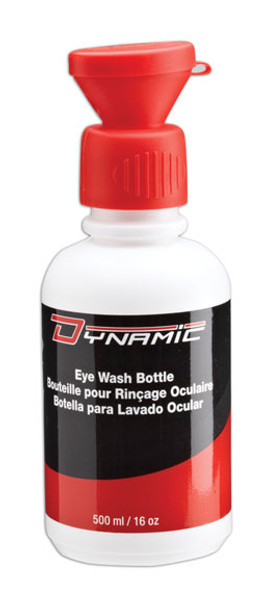
This eye wash bottle includes an eye cup with snap closure, for ease of use when hazardous materials/chemicals come in contact with eyes. Bottle fits 16 oz/500 ml of solution. Product is empty, cleaning solution is sold separately.
- Pricing includes 3 UNITS (3 bottles)
- 16 oz/500 ml eye wash bottle, empty
- Eye cup with snap closure included
More Info
Eye Wash Stations for Immediate Eye Irrigation
The Eye Wash Bottle with Eye Cup 3 Pkg, Empty Dynamic is an Eye Wash Stations product that functions as a portable eye irrigation unit for rapid response to splashes and particles. Safety coordinators, maintenance technicians, and electricians typically use this eye wash to provide targeted emergency eye wash using the included eye cup snap closure and a 16 oz/500 ml portable bottle. All Safety lists this Dynamic pack as an empty, refillable option; solution is sold separately.
Industry Applications and Professional Use
Manufacturing Work Environments
Maintenance technicians and equipment operators commonly keep these portable bottles at benches and assembly lines for quick eye irrigation when chemical or particulate exposures occur. Workers often use the eye cup to direct flow, reducing contamination spread and supporting first aid response. The compact 16 oz/500 ml capacity suits localized, immediate flushing needs.
Emergency Services Work Environments
Paramedics and first responders typically carry a refillable eye wash bottle in vehicles for on-scene emergency eye wash and initial irrigation prior to transport. The portable bottle design supports fast, targeted flushing and stabilizes the injured worker while awaiting further care. The eye cup snap closure helps maintain readiness in mobile kits.
Utilities and Field Service Work Environments
Line workers and field technicians often store a pack of three portable bottles across vehicles or stations to ensure multiple crews have access to emergency eye rinsing. The refillable bottle suits outdoor and confined-space settings where a wall-mounted station may be impractical. Workers commonly pair these bottles with site-approved sterile solution per manufacturer instructions.
Warehousing and Construction Work Environments
Warehouse personnel and construction crews generally position these bottles near maintenance bays and cutting or welding areas for occasional-use eye irrigation after dust, debris, or chemical splashes. The eye cup supports targeted flushing for single-eye or both-eye exposure scenarios. Teams often include the bottles in first aid kits and vehicle toolboxes.
Technical Specifications and Product Features
Understanding Product Standards
Clear specifications help teams choose the right portable eye wash for first aid response and compliance with site procedures. The bottle’s 16 oz/500 ml capacity and snap-closure eye cup deliver a compact, user-friendly solution for immediate eye irrigation in varied environments. The pack of three provides redundancy across workstations or fleet vehicles.
| Specification | What It Means | Practical Benefit |
|---|---|---|
| 16 oz/500 ml capacity | Volume the portable bottle holds for flushing | Supports several minutes of targeted irrigation for initial emergency eye wash |
| Eye cup with snap closure | Removable cup that snaps closed to protect nozzle | Enables focused, hands-free flushing and keeps nozzle clean in storage |
| Pack of 3 empty bottles | Three refillable bottles supplied empty; solution sold separately | Allows placement across multiple locations or vehicles for quick response |
What does 16 oz/500 ml capacity mean for flushing time?
A 16 oz/500 ml portable bottle typically provides several minutes of targeted irrigation depending on flow rate and application technique. Users generally apply continuous flushing per manufacturer instructions until medical evaluation occurs. Teams should consider pairing bottles with additional stations for prolonged exposures.
Use Case Scenarios and Applications
Indoor Response (Laboratories and Shops)
In labs and manufacturing shops, workers commonly place these eye irrigators at benches and hoods for immediate emergency eye wash when splashes occur. The eye cup directs flow to the eye, supporting prompt first aid response while the site follows written procedures. Keep bottles filled with approved sterile solution per manufacturer instructions.
Outdoor and Field Use
Field technicians and utility crews often carry a portable bottle in service vehicles for outdoor chemical splash or particulate incidents. The compact form fits toolboxes and minimizes space compared with larger stations. Users typically secure bottles in mounts or kits to prevent damage during transit.
Emergency-Use in First Response
First responders commonly use this portable bottle as an initial eye irrigator on-scene before transferring care to a medical facility. The eye cup supports targeted rinsing for one or both eyes and helps stabilize the injured person. Agencies generally maintain multiple bottles across units for redundancy.
Occasional-Use for Maintenance Bays
Maintenance crews often rely on refillable bottles for occasional exposures where a full plumbed station is unavailable. Workers refill bottles with site-approved solution and store them in first aid stations or tool rooms. Inspect bottles regularly per manufacturer guidelines to ensure readiness.
Ideal Applications and Work Environments
Where This Product Category Excels
- Manufacturing assembly lines: Portable 16 oz/500 ml capacity suits immediate irrigation for chemical or particulate exposure and the eye cup aids targeted flushing.
- Laboratory and chemical handling: The eye cup snap closure enables controlled, directed rinsing for quick-response eye irrigation after minor splashes.
- Field service and utilities: Pack of three offers transportable units across vehicles or stations for on-site emergency eye wash needs.
- Construction and welding sites: Compact, refillable bottles provide a mobile option for particulate or splash hazards where fixed stations are limited.
Not Recommended For
- Major chemical immersion incidents: Not a substitute for full emergency decontamination or continuous high-flow stations; use a plumbed eyewash or emergency shower as required.
- Sterile medical irrigation without approved solution: Do not use without filling with an appropriate, approved sterile solution per site and manufacturer procedures; consider dedicated sterile eyewash bottles for clinical settings.
Professional Applications
Workers Who Rely on This Equipment
- Safety coordinators: Place bottles at workstations and include them in emergency response plans.
- Maintenance technicians: Keep portable bottles in maintenance bays for quick eye irrigation after exposure to lubricants, solvents, or debris.
- Electricians: Store bottles in vehicles for field repairs where chemical or particulate exposure is possible.
- Welders: Use bottles to flush sparks and particulate from eyes before follow-up care.
- Equipment operators: Position bottles near machinery for immediate access when splashes or dust affect the eyes.
Complete Safety Equipment Solutions
Complementary Safety Gear
Portable eye wash bottles work alongside other personal protective equipment to form a layered first aid and PPE strategy. Workers commonly pair eye irrigation with eye protection, face shields, and gloves to reduce exposure and support initial response. Keeping multiple complementary items improves on-site readiness.
Recommended Equipment Combinations
- Workshop response: Eye wash bottle + safety glasses + face shield + first aid kit
- Field service kit: Eye cup bottle + gloves + compact first aid kit
- Laboratory bench: Bottle with eye cup + chemical splash goggles + emergency shower access
Selection Guide and Product Suitability
When to Choose This Product
Choose this refillable 16 oz/500 ml portable bottle when teams need mobile, targeted emergency eye wash for occasional exposures or when fixed eyewash stations are impractical. Opt for the three-pack to outfit multiple vehicles or workstations and to ensure redundancy during incidents. This product suits sites that maintain approved sterile solution and follow manufacturer instructions for use.
Key Evaluation Factors
- Required flow duration and local first-aid procedures
- Compatibility with approved sterile or saline solutions
- Placement needs across vehicles, benches, and stations
- Inspection and replacement policies per manufacturer instructions
When should I replace the bottle or eye cup?
Replace bottles and eye cups after any use involving contamination or if you detect damage, discoloration, or compromised snap closures. Follow manufacturer instructions and site policies for inspection intervals and disposal. Maintain spare bottles to rotate into service after cleaning and inspection.
Ordering and Delivery Options
Available from All Safety
All Safety offers this Eye Wash Stations category item in packs of three with flexible fulfillment to meet operational needs. Choose standard, expedited, or overnight shipping based on your timeline and project requirements. Contact All Safety for ordering assistance and site stocking recommendations.
Related Products
Related Products

Eye Cup for Eye Wash Bottle | 3 Pkg | Dynamic
Dynamic Safety

Eye Wash Bottle with Eye Cup | 32oz | Dynamic
Dynamic Safety

Eyewash Bottles w/ Eye Cup (Empty), 500ml
WASIP

Eyewash Bottles w/ Eye Cup (Empty), 1L
WASIP

Bio Med Wash Eye Wash Station Empty | Dynamic
Dynamic Safety