


Description
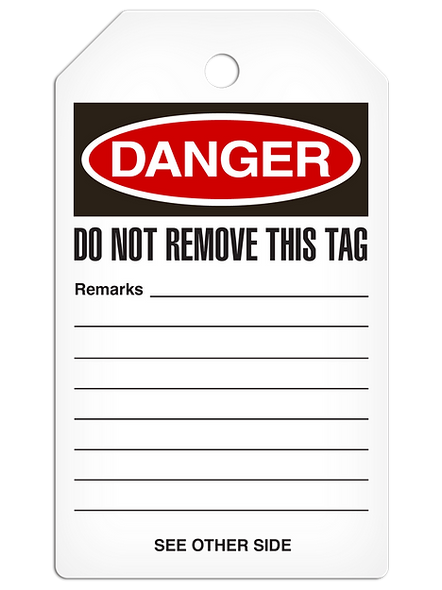
Danger "Live" Tag - 25/pkg | INCOM
size 3.375" x 5.75"
| Unit of Measure | Pack of 25 pcs |
- Poly - Made from 10-mil Plastic with a 3/8" drilled hole
- Rigid Duraply - Made from 15-mil Rigid Duraply Plastic with a 3/8" dia metal eyelet
More Info
Danger Live Tag for Electrical Hazard Communication
The Danger "Live" Tag is a safety tag designed for identifying energized equipment and supporting clear hazard communication. Electricians, safety coordinators, and maintenance technicians typically use this equipment to mark live electrical hazards during servicing and isolation work. It features a 3.375" x 5.75" format and comes in bulk packaging for efficient site use.
Industry Applications and Professional Use
Utilities Work Environments
Utility workers and lockout/tagout technicians typically use Danger Live Tag products when service crews need to identify energized equipment in the field. These warning tags support communication at substations, service points, and controlled access areas. The visible hazard label helps teams maintain consistent workplace identification during maintenance isolation.
Construction Sites
Site supervisors and electricians often rely on safety tags when temporary power systems, panels, or equipment require live hazard identification. Construction environments change quickly, so durable tagging helps crews communicate status at the point of work. This supports hazard communication across active job sites.
Manufacturing Plants
Maintenance teams commonly use lockout tagout tags in industrial plants during equipment shutdown, servicing, and restart checks. Bulk packaging works well for routine tasks across multiple machines and departments. The tags help teams communicate energized equipment conditions with clarity.
Transportation Facilities
Transportation maintenance crews use industrial safety tags around service bays, controls, and electrical systems that require temporary marking. Clear compliance labeling helps workers recognize energized equipment before they begin work. This supports organized communication in busy facility operations.
Warehousing and Municipal Services
Warehousing staff and municipal maintenance crews often need a communication tag for panels, lifts, and service equipment. These environments benefit from visible hazard labeling during repairs and inspections. The tags support consistent safety practices in shared work areas.
Technical Specifications and Product Features
Understanding Product Standards
Safety tags matter because they help crews identify energized equipment and reinforce lockout tagout practices. This Danger Live Tag gives teams a clear warning tag format for routine maintenance isolation and hazard label use. Bulk packaging also supports large-scale site supply and repeat application.
| Specification | What It Means | Practical Benefit |
|---|---|---|
| 3.375" x 5.75" size | Compact tag with enough space for clear live hazard wording | Workers can read it quickly at equipment or isolation points |
| Pack of 25 pcs | Bulk packaging for repeated use | Sites can stock multiple stations and crews efficiently |
| Poly option: 10-mil plastic with 3/8" drilled hole | Flexible poly plastic with a pre-drilled attachment point | Supports easy installation in routine tagging tasks |
| Rigid Duraply option: 15-mil rigid Duraply plastic with 3/8" dia metal eyelet | Stiffer tag with reinforced hanging point | Helps maintain visibility in demanding industrial safety applications |
Use Case Scenarios and Applications
Indoor Maintenance Work
Teams often use these safety tags in electrical rooms, panels, and maintenance areas when equipment stays energized during service. The clear wording supports hazard communication at close range. Workers can attach the tag per manufacturer instructions for consistent workplace identification.
Outdoor Utility Service
Utility crews commonly use warning tags in field conditions where equipment needs temporary status marking. The tag format supports controlled access and energized equipment awareness. Durable material options help match different environmental demands.
Daily-Use Isolation Programs
Facilities with routine lockout/tagout work often keep bulk packaging on hand for repeated use. This helps teams label machinery during maintenance isolation and restore clear communication during shift changes. It also supports organized tagging systems across departments.
Large-Scale Operations
Large sites may need many compliance labeling items for multiple assets, stations, and service points. A pack of 25 supports broad deployment without frequent reordering. That makes it practical for teams handling ongoing hazard label tasks.
Ideal Applications and Work Environments
Where This Safety Tag Excels
- Electrical maintenance areas: Clear live electrical hazards messaging supports tagging at energized panels and service points.
- Lockout/tagout stations: The format fits energized equipment identification and maintenance isolation workflows.
- Industrial plants: Bulk packaging works well for repeated use across multiple machines and crews.
- Utility service work: The tag helps mark temporary hazard conditions during field servicing and controlled access tasks.
Not Recommended For
- Permanent outdoor signage: This is a tag, not a fixed sign, so a rigid sign panel may suit long-term posting better.
- Heavy abrasion or extreme exposure without review: If conditions are severe, crews may need a more robust hazard label solution.
Professional Applications
Workers Who Rely on This Equipment
- Electricians: They use the tag to identify live electrical hazards during installation and service work.
- Safety coordinators: They add it to workplace identification and hazard communication programs.
- Maintenance technicians: They attach it during equipment servicing and maintenance isolation.
- Site supervisors: They use it to support consistent tagging systems on active job sites.
- Lockout/tagout technicians: They rely on it for energized equipment marking and compliance labeling.
- Utility workers: They use it in field service areas that require temporary hazard marking.
Complete Safety Equipment Solutions
Complementary Safety Gear
Danger Live Tag products work alongside other equipment for comprehensive communication around energized equipment. Layering safety tags with other site controls helps crews keep information visible at the point of work. All Safety commonly supports these setups with practical tagging and identification supplies.
Recommended Equipment Combinations
- Electrical maintenance: Danger Live Tag + lockout tagout devices + safety labels + industrial markers
- Plant shutdown workflow: Danger Live Tag + safety sign holders + lockout tagout devices
- Field service marking: Danger Live Tag + safety labels + industrial markers
Selection Guide and Product Suitability
When to Choose This Product
Choose this tag when crews need clear live hazard wording for energized equipment. It works well for daily-use maintenance programs and large-scale sites that need bulk packaging. The poly and rigid options give teams flexibility for different attachment needs.
Key Evaluation Factors
- Material type for the work environment
- Attachment method and hole or eyelet preference
- Visibility needs for hazard communication
- Quantity needed for tagging systems
Limitations and Alternative Considerations
This product is not suitable for permanent signage or applications that require a fixed hazard board. A rigid sign or posted label may fit those needs better. Available from All Safety with standard, expedited, or overnight shipping to suit project timelines.
Daily Use and Maintenance
Workplace Integration
Workers typically use the tag when equipment is identified as energized or under maintenance, and they attach it to equipment or isolation points per manufacturer instructions. Crews often place it where visibility stays strong during servicing. In electrical rooms and industrial plants, teams use it as part of a broader tagging system.
Care and Replacement Guidelines
Inspect tags for legibility, attachment point condition, and material wear before use. Clean them gently per manufacturer instructions and store them in a clean, dry location away from excessive heat or abrasion. Replace the tag when text becomes unclear or when damage affects readability.
Related Products
Related Products



Danger Live Circuit Tag - Lockout | Pkg/25 | INCOM
INCOM Signs

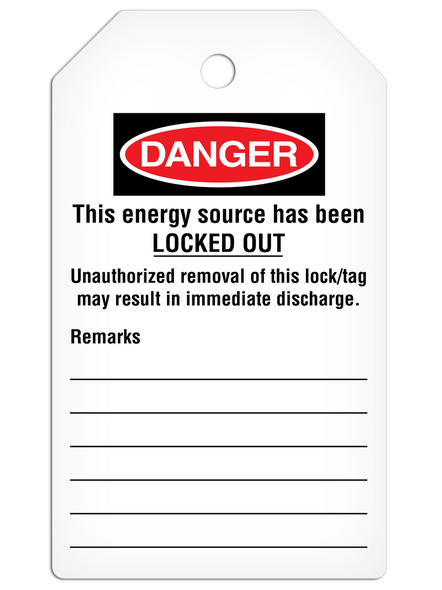
Danger Live Wires Tag - Lockout | Pkg/25 | Incom Signs
INCOM Signs


Danger "Contaminated with Lead" Tag - 25/pkg
INCOM Signs