
Dunlop Boots
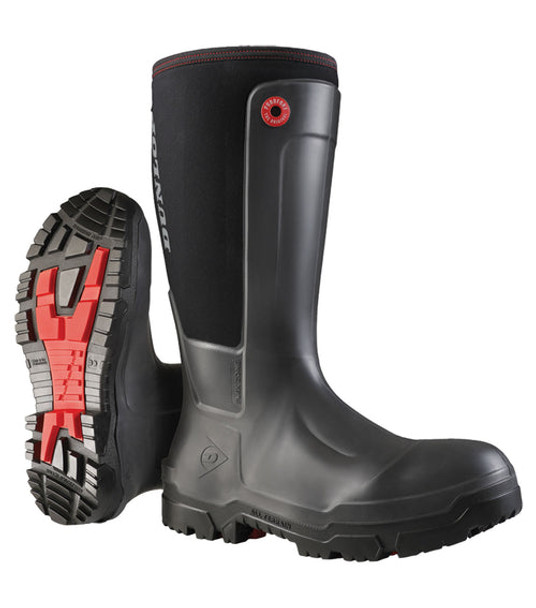
Snugboot Workpro Full Safety |16'' Waterproof CSA Work Boots | Dunlop
- SKU:
- D68A930-18


Description
Description
This waterproof Dunlop 15.5'' work boot, with protective toe cap and anti-perforation composite sole, is made of flexible, lightweight and comfortable Purofort (PU) and Purotex.
Product detail
- Height: 15.5’’ / 40 cm
- Flexible Purofort (PU) and Purotex upper.
- Non-metallic toe and puncture-resistant plate.
- PU slip resisting outsole.
- Waterproof and breathable membrane.
- Thermal insulation.
- Comfortable and removable insole.
- Resistant to various chemicals.
- Flexible and lightweight.
- Antibacterial treatment.
More Info
Waterproof CSA Work Boots for Wet Jobsite Protection
The Snugboot Workpro Full Safety 16 waterproof work boots are designed for wet, cold, and demanding shifts where workers need durable foot support and traction. Construction workers, maintenance technicians, and utility workers typically use this footwear to handle muddy sites, industrial floors, and outdoor service work. These Dunlop safety boots feature a composite toe, puncture-resistant sole, and thermal insulation.
Industry Applications and Professional Use
Construction Work Environments
Construction workers typically rely on waterproof work boots when they move between concrete, soil, and standing water. The flexible Purofort and Purotex upper supports long shifts, while the slip resistant outsole helps workers stay steady on changing surfaces.
Utilities and Field Service
Utility workers often need safety footwear that handles wet ground, utility trenches, and variable weather. The non-metallic toe and puncture-resistant sole support work around service sites where lightweight construction and electrical-free materials are often preferred.
Transportation and Fleet Operations
Transportation personnel commonly need insulated footwear for dock areas, loading zones, and roadside tasks in cold, damp conditions. The breathable membrane and removable insole help support comfort during full-shift wear.
Manufacturing Facilities
Manufacturing teams often work near washdown areas, slick floors, and chemical exposure points. These boots offer chemical resistance, a PU outsole, and antibacterial treatment for environments that demand practical, easy-care safety footwear.
Warehousing and Distribution
Warehouse workers typically use jobsite footwear that balances traction, comfort, and foot protection during material handling. The lightweight construction and slip resisting outsole support movement during busy indoor-outdoor operations.
Municipal Services
Municipal crews often work in rain, slush, and cold weather while completing maintenance or cleanup tasks. These waterproof composite toe boots provide thermal insulation and stable footing for seasonal field work.
Technical Specifications and Product Features
Understanding Product Standards
Waterproof work boots need the right mix of protection, comfort, and wearability for long shifts. Features such as a composite toe, puncture-resistant plate, and breathable membrane help workers match the boot to the task. Dunlop designed this model with lightweight safety footwear materials that support demanding use.
| Specification | What It Means | Practical Benefit |
|---|---|---|
| 15.5-inch / 40 cm height | Higher boot coverage for lower leg support | Helps with deeper wet conditions and muddy terrain |
| Composite toe / non-metallic toe | Non-metallic safety toe protection | Supports impact protection without metal components |
| Puncture-resistant plate | Anti-perforation layer in the sole | Helps reduce risk from sharp debris underfoot |
| PU slip resisting outsole | Traction-focused outsole design | Improves footing on slick or wet surfaces |
Use Case Scenarios and Applications
Outdoor Construction in Wet Weather
Workers commonly wear these waterproof work boots during rain, mud, and cold conditions on outdoor jobsites. The thermal insulation and waterproof and breathable membrane support comfort when weather changes during the day.
Maintenance and Utility Work
Technicians often need footwear that handles service calls, uneven ground, and sharp debris. The puncture-resistant sole and composite toe provide practical features for tasks that involve frequent movement and mixed terrain.
Cold Industrial Environments
These insulated footwear options work well in wet industrial areas where crews may encounter damp floors or chemical exposure. The chemical resistance and removable insole help support all-day wear in active facilities.
Municipal and Transportation Shifts
Crews in municipal or transportation roles often need durable safety footwear for roadside, yard, and dock work. The flexible, lightweight construction supports mobility while the slip resistant outsole helps with wet ground conditions.
Ideal Applications and Work Environments
Where This Safety Boots Category Excels
- Outdoor construction work: The waterproof construction, thermal insulation, and slip resisting outsole suit wet and cold field conditions.
- Utility and maintenance tasks: The non-metallic toe and puncture-resistant plate support practical protection around tools and debris.
- Wet industrial environments: The breathable membrane and chemical resistance help in washdown and damp work areas.
- Municipal or transportation work: The lightweight design and insulated footwear construction support movement in cold, damp conditions.
Professional Applications
Workers Who Rely on This Equipment
- Construction workers: Use these boots for outdoor footing, muddy ground, and full-shift site work.
- Maintenance technicians: Rely on the puncture-resistant sole and non-metallic toe for service tasks.
- Utility workers: Wear them for wet, variable, and active field environments.
- Site supervisors: Choose them for practical mobility and all-day jobsite footwear comfort.
- Equipment operators: Use them for traction and comfort in changing site conditions.
- Warehouse workers: Benefit from slip resistant outsole performance during busy indoor-outdoor work.
Complete Safety Equipment Solutions
Complementary Safety Gear
Waterproof work boots work alongside other PPE to support a complete safety system. Workers often pair them with layered gear that matches the jobsite, weather, and hazard profile. All Safety commonly helps teams build practical combinations that support daily field work.
Recommended Equipment Combinations
- Outdoor construction: Waterproof work boots + safety glasses + gloves + hi-viz vests
- Utility maintenance: Waterproof work boots + gloves + hearing protection
- Warehouse and yard work: Waterproof work boots + safety glasses + hi-viz vests
Selection Guide and Product Suitability
When to Choose This Product
Choose these boots when you work in wet or muddy conditions and need waterproof work boots with thermal insulation. They also suit roles that want a composite toe and puncture-resistant sole for mixed hazards. The lightweight, flexible build helps during long shifts where comfort matters.
Key Evaluation Factors
- Check whether you need a non-metallic toe for your work environment.
- Review the importance of puncture resistance for your site conditions.
- Consider insulation needs for cold weather or damp shifts.
- Compare outsole traction requirements for slick surfaces.
Limitations and Alternative Considerations
These boots are not suitable for jobs that require a different hazard rating or specialty protection beyond their safety footwear design. Some work may call for alternate safety boots, such as a different toe style or specialized chemical footwear. Available from All Safety with standard, expedited, or overnight shipping to suit project timelines.
Daily Use and Maintenance
Workplace Integration
Workers typically wear these boots when shifts involve wet, cold, or muddy conditions, especially in outdoor job sites and industrial areas. Use them as protective work footwear per manufacturer instructions. The breathable membrane and removable insole help support all-day wear when crews stay active.
Care and Replacement Guidelines
Inspect the toe cap, outsole wear, and puncture-resistant components regularly following manufacturer guidelines. Clean the boots with mild methods per specifications, and store them in a cool, dry place per manufacturer instructions. Replace them when tread, membrane, or protective components show wear, or when manufacturer specifications indicate replacement.
Related Products
Related Products


Snugboot Pioneer |16'' Insulated Waterproof Boots | Dunlop
Dunlop Boots


Purofort + Expander Full Safety | Waterproof PU Work Boots | Dunlop
Dunlop Boots

Snugboot Wildlander | 16'' Rain Boots For Fishing & Hunting | Dunlop
Dunlop Boots