
Acton Boots
Stormy CSA | 15'' Synthetic Rubber Insulated Work Boots | Acton

- SKU:
- A4191-11


Description
Description
CSA ESR waterproof and insulated work boot (-40°F / -40°C) made of resistant synthetic rubber, with removable felt liner and non-slip sole. This rubber safety boot is perfect for working in freezers or standing in water, slush or snow.
Product details
- Height: 15’’ / 38 cm
- Waterproof synthetic rubber boot.
- Nylon collar with barrel lock closure system preventing snow penetration.
- Removable insulated felt liner.
- Composite toe protector and steel puncture-resistant plate.
- Resistant synthetic rubber self-cleaning outsole.
- Heel kick to get out of the boot easily.
- 90° heel angle.
- Easy to care.
- Ample calf space.
- Polycarbonate shank.
- Replacement liner: A4944 B10.
More Info
CSA ESR Work Boots for Cold and Wet Job Sites
The CSA ESR waterproof and insulated work boot is a work boot designed for cold, wet, and snowy work scenarios. Construction workers, maintenance technicians, and warehouse workers typically use this insulated work boot to stay comfortable in freezer rooms, slush, and standing water. This CSA ESR certified footwear features a removable felt liner and a composite toe protector.
Industry Applications and Professional Use
Construction Work Environments
Construction crews commonly wear this synthetic rubber safety boot during winter site work and wet ground conditions. The 15 in height, nylon collar with barrel lock closure, and non-slip outsole help support daily movement in slush, snow, and muddy access areas. Workers also value the puncture-resistant sole when they move across rough surfaces.
Mining and Utility Settings
Mining teams and utility workers often need cold-weather footwear that handles water, slush, and changing outdoor conditions. This rubber safety boot supports those environments with waterproof synthetic rubber construction and a removable insulated felt liner. The steel puncture-resistant plate adds another layer of practical underfoot defense in active work zones.
Warehousing and Cold Storage
Warehouse workers and equipment operators rely on freezer boot performance when they spend long shifts in cold storage or refrigerated areas. This insulated work boot is intended for low-temperature floors and damp transitions between indoor and outdoor areas. The polycarbonate shank and self-cleaning outsole help support stable, steady steps.
Transportation and Manufacturing
Transportation crews and manufacturing personnel often work in dock areas, washdown zones, and weather-exposed loading spaces. The waterproof boot construction helps manage moisture, while the composite toe protector supports busy work routines around equipment and materials. All Safety customers often choose this style for seasonal and daily-use conditions.
Technical Specifications and Product Features
Understanding Product Standards
Specifications matter because cold-environment footwear must match the work setting, footing, and exposure level. This CSA ESR waterproof and insulated work boot combines comfort-focused details with practical protection features for wet and winter conditions. Workers benefit from a design that supports cold-weather footwear use without adding unnecessary bulk.
| Specification | What It Means | Practical Benefit |
|---|---|---|
| CSA ESR | Certified footwear for relevant safety requirements | Supports selection for regulated work environments |
| -40°F / -40°C rating | Built for very cold conditions | Helps workers stay ready in freezer and winter settings |
| Composite toe protector | Lightweight protective toe cap | Supports toe protection without added metal weight |
| Steel puncture-resistant plate | Helps resist sharp underfoot hazards | Adds confidence on rough or debris-filled surfaces |
| Non-slip self-cleaning outsole | Tread designed for traction and debris release | Helps maintain footing in wet, slushy areas |
Use Case Scenarios and Applications
Freezer and Cold-Storage Work
Workers in cold storage often need insulated work boot performance during long indoor shifts. The removable felt liner adds warmth and allows easier care between uses. The waterproof boot construction also helps when workers move between damp floors and refrigerated spaces.
Standing Water and Slushy Conditions
Crews working in slush, snow, or standing water need a waterproof boot with a stable sole. The synthetic rubber safety boot body resists moisture, while the non-slip outsole supports traction on wet ground. The 15 in shaft also helps cover more of the lower leg.
Outdoor Winter Site Work
Field crews often need cold-weather footwear that handles seasonal shifts and outdoor exposure. The barrel lock closure helps limit snow entry at the collar, and the heel kick makes doffing easier at the end of a shift. The ample calf space supports comfortable wear over long hours.
Wet Industrial Maintenance
Maintenance teams working in washdown areas or damp plant spaces often need a rubber safety boot with practical protection features. The composite toe protector and steel puncture-resistant plate support a wide range of routine tasks. This design suits general industrial maintenance where water and debris both matter.
Ideal Applications and Work Environments
Where This Work Boot Excels
- Freezer rooms and cold storage: The removable felt liner and -40°F / -40°C rating suit low-temperature indoor work.
- Slush, snow, and wet outdoor areas: Waterproof synthetic rubber and a non-slip outsole support seasonal conditions.
- Washdown and standing-water zones: The boot construction helps manage repeated moisture exposure.
- Industrial maintenance tasks: The composite toe protector and steel puncture-resistant plate add useful task-level support.
Professional Applications
Workers Who Rely on This Equipment
- Construction workers: They use this cold-weather footwear on winter sites and wet access routes.
- Maintenance technicians: They wear it in damp plant areas and during washdown work.
- Warehouse workers: They rely on it for freezer aisles and cold dock environments.
- Equipment operators: They choose it for weather-dependent movement around active sites.
- Utility workers: They use it in snow, slush, and wet service conditions.
- Site supervisors: They often select it for daily monitoring in mixed indoor-outdoor conditions.
Complete Safety Equipment Solutions
Complementary Safety Gear
This insulated work boot works alongside other equipment for a more complete workplace setup. Layers matter because cold, wet, and active sites often require head-to-toe coordination rather than a single product. Workers commonly pair this CSA-certified footwear with other task-specific PPE to match the job environment.
Recommended Equipment Combinations
- Winter outdoor work: CSA ESR waterproof and insulated work boot + hi-viz vests + gloves + safety glasses
- Cold storage handling: CSA ESR waterproof and insulated work boot + gloves + hearing protection
- Wet maintenance tasks: CSA ESR waterproof and insulated work boot + safety glasses + gloves + hi-viz vests
Selection Guide and Product Suitability
When to Choose This Product
Choose this boot when workers spend shifts in freezers or refrigerated spaces. It also performs well in slush, snow, and standing water where waterproof construction matters. The 15 in height and removable felt liner add practical value for winter workwear routines.
Key Evaluation Factors
- Cold exposure level and expected shift length
- Need for waterproof protection in wet environments
- Toe and puncture protection requirements
- Calf fit, liner comfort, and closure preference
Limitations and Alternative Considerations
This boot is not suitable for dry, lightweight office use or for tasks that do not need insulated cold-weather footwear. Workers who need different upper materials or a lighter summer boot may want another work boot category. Available from All Safety with standard, expedited, or overnight shipping to suit project timelines.
Daily Use and Maintenance
Workplace Integration
Workers generally wear the removable felt liner installed when they work in cold, wet, or snowy conditions, per manufacturer instructions. The heel kick helps when users remove the boot after a shift. In freezer and outdoor settings, crews often keep the boot ready as part of daily winter workwear.
Care and Replacement Guidelines
Inspect the outsole, liner, closure system, toe protector, and plate regularly, following manufacturer guidelines. Manufacturers typically recommend rinsing and air-drying the rubber boot and liner per specifications. Replace components when wear appears and store the boot in a cool, dry location away from direct heat or sunlight.
Related Products
Related Products


Stormy | 15'' Insulated Rubber Boots | Acton
Acton Boots

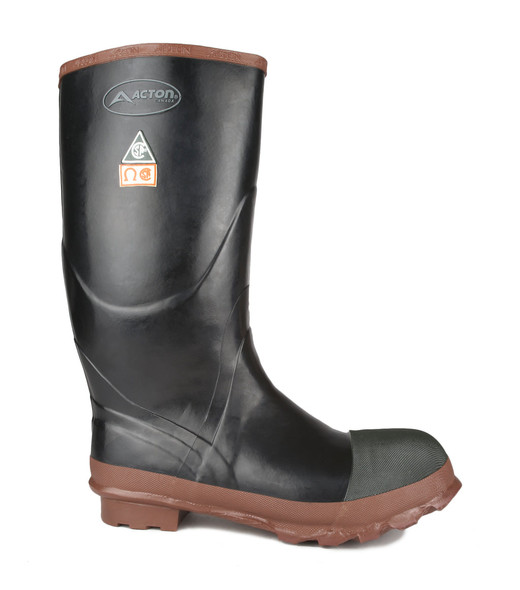
Protecto | 15'' Waterproof Natural Rubber Work Boots | Acton
Acton Boots

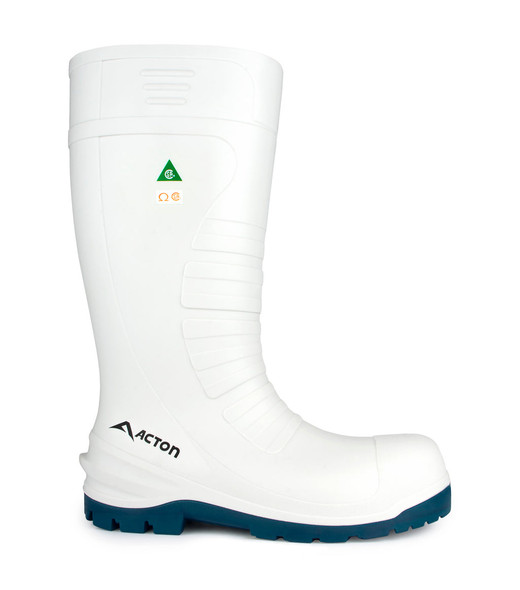
All Terrain | 15'' PU Agrifood Work Boots | CSA ESR | Acton
Acton Boots


Protecto 2.0 | 15'' Waterproof Natural Rubber Work Boots | Acton
Acton Boots


Sportsman | 14’’ Insulated Rubber And Neoprene Rain Boots | Acton
Acton Boots