


Description
DESCRIPTION
Even if these women's thermal socks are designed for your comfort, they also offer a wide color selection that is sure to please more than one. Their extra thick construction ensures your feet to stay warmer longer. These are the perfect socks for the skittish girl in you.
PRODUCT DETAILS
- 89% acrylic, 8% polyester, 3% spandex.
- Brushed interior creating an ultra-soft thermal barrier for unmatched comfort and warmth.
- One size (8-11).
- Charcoal(NTWK962-01), Grey(NTWK962-07),Gris Pale(NTWK962-08), Rose(NTWK962-09).
More Info
Women’s Thermal Socks for Cold-Weather Footwear Layering
The WK962 Women’s Thermal Socks by Nat’s are thermal socks designed for cold-weather comfort, foot comfort, and warmth retention in work or daily wear. Warehouse workers, construction workers, and transportation workers typically use this casual workwear to support winter layering inside boots and everyday footwear. This women’s thermal socks style features extra thick construction, a brushed interior, and one size (8-11) fit range.
Industry Applications and Professional Use
Manufacturing Work Environments
Production staff and warehouse workers commonly wear insulated socks during cooler shifts, especially in facilities with concrete floors and frequent dock-door traffic. The acrylic blend and spandex stretch support a comfortable fit inside work boots. This helps workers stay focused on tasks without distracting cold feet.
Warehousing and Logistics
Warehouse teams often need seasonal socks that work well with heavy footwear and long periods of standing or walking. The brushed interior adds a soft knitwear feel, while warmth retention supports daily use in winter conditions. All Safety customers often choose this style for practical cold weather apparel layering.
Transportation and Delivery
Transportation workers and delivery drivers typically rely on cozy winter socks for all-day wear in changing temperatures. The extra thick construction helps support comfort during long routes, loading tasks, and time spent in vehicles. This makes the socks a common option for casual workwear in colder months.
Construction and Maintenance
Construction workers and maintenance technicians often wear thermal footwear layers during light-duty work in cool environments. The soft brushed interior helps improve foot comfort inside boots, while the acrylic blend supports winter use. Workers usually appreciate socks that fit easily under everyday PPE and work footwear.
Utilities and Forestry
Utility workers and forestry crews commonly use insulated socks when outdoor conditions turn cold or weather-dependent work continues through the season. These socks support fit range flexibility and moisture management for extended wear. They suit jobs that move between indoor access points and outdoor exposure.
Technical Specifications and Product Features
Understanding Product Standards
For thermal socks, material blend, thickness, and interior finish matter because they affect comfort, fit, and warmth retention. The Nat’s design uses an acrylic blend with brushed interior construction to support soft, insulated wear. Workers usually benefit from a sock that pairs well with boots and daily footwear.
| Specification | What It Means | Practical Benefit |
|---|---|---|
| 89% acrylic | Primary fiber content in the sock body | Supports thermal footwear comfort and winter layering |
| 8% polyester | Blend fiber that adds durability and structure | Helps maintain everyday wear performance |
| 3% spandex | Stretch fiber for flexibility | Improves fit range and wear comfort |
| Brushed interior | Softened inner surface | Adds warmth and a cozy winter socks feel |
| One size (8-11) | General women’s fit range | Simplifies sizing for common footwear needs |
Use Case Scenarios and Applications
Cold Outdoor Work Shifts
Workers often choose these thermal socks for cold outdoor work shifts where extra thick construction supports warmth retention. The brushed interior adds comfort during long periods outside. This helps reduce the distraction of cold feet in winter conditions.
Warehouse and Logistics Tasks
Teams in warehouses and logistics commonly use insulated socks during seasonal temperature drops. The fit range works well with work boots, and the acrylic blend supports daily use. This makes them practical for indoor movement, loading, and dock work.
Transportation and Delivery Routes
Drivers and delivery workers often wear cozy winter socks for long days that start early and continue through changing weather. The soft knitwear feel and spandex stretch help maintain comfort during extended shifts. Workers can pair them with casual workwear or boots.
Light-Duty Construction and Maintenance
Maintenance crews and light-duty construction teams typically use seasonal socks in cool environments where all-day foot comfort matters. The extra thick construction adds a layer of insulation without complicating footwear fit. This supports seasonal work and everyday wear.
Ideal Applications and Work Environments
Where This Thermal Socks Category Excels
- Cold-weather outdoor shifts: Extra thick construction and brushed interior help support warmth in winter conditions.
- Warehouse flooring and dock work: The acrylic blend and fit range work well with boots and long standing periods.
- Transportation and route work: Comfortable for extended wear during driving, loading, and delivery tasks.
- Seasonal indoor-outdoor jobs: Useful when workers move between heated spaces and cooler outdoor areas.
Professional Applications
Workers Who Rely on This Equipment
- Warehouse workers: Wear them under boots for winter layering and foot comfort.
- Construction workers: Use them for cool-weather jobsite insulation.
- Maintenance technicians: Choose them for daily-use comfort in unheated areas.
- Transportation workers: Rely on them for long shifts and changing temperatures.
- Utility workers: Use them during outdoor work and seasonal field tasks.
- Site supervisors: Keep them on hand for cold-site visits and practical workwear needs.
Complete Safety Equipment Solutions
Complementary Safety Gear
Thermal socks work alongside other equipment for layered comfort in cold conditions. Workers commonly combine socks with work boots, insoles, thermal gloves, and base layers to support winter layering. Multiple layers matter because crews often move between indoor and outdoor spaces during the same shift.
Recommended Equipment Combinations
- Cold storage or outdoor shift: Women’s thermal socks + work boots + thermal gloves + base layers
- Warehouse winter layering: Women’s thermal socks + work boots + insoles
- Delivery and transportation work: Women’s thermal socks + work boots + base layers
Selection Guide and Product Suitability
When to Choose This Product
Choose these socks when you need winter layering for cold-weather seasons and cooler workdays. They perform well for extended shifts, daily wear, and jobs that require boots. They also suit workers who want a soft brushed interior and extra thick construction for comfort.
Key Evaluation Factors
- Fit range and boot compatibility
- Material blend and stretch
- Thickness for warmth retention
- Color choice for personal preference
Limitations and Alternative Considerations
These socks are not suitable for tasks that require specialized protective footwear features or heavy industrial performance footwear. Workers needing technical moisture control or advanced compression socks may want a different category. Available from All Safety with standard, expedited, or overnight shipping to suit project timelines.
Daily Use and Maintenance
Workplace Integration
Workers typically wear these socks when temperatures drop and when they need comfort inside boots or everyday footwear per manufacturer instructions. They work well for indoor, outdoor, and winter work environments. Users often keep an extra pair ready for daily use during cold weather seasons.
Care and Replacement Guidelines
Follow manufacturer instructions for inspection, cleaning, replacement, and storage. Check for wear, thinning, and reduced stretch during routine inspection, and wash according to the care label and manufacturer specifications. Store the socks in a clean, dry place away from excess heat, and replace them when elasticity or insulation performance changes.
Related Products
Related Products
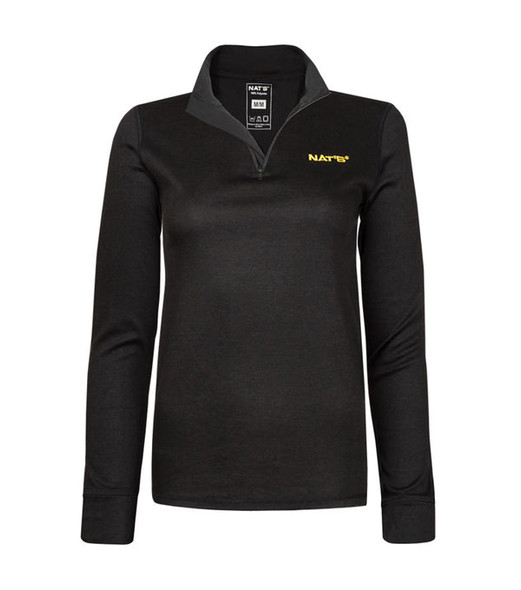
WK656 | Women's Micro Fiber Thermal Shirt | Nat's
Nat's Boots
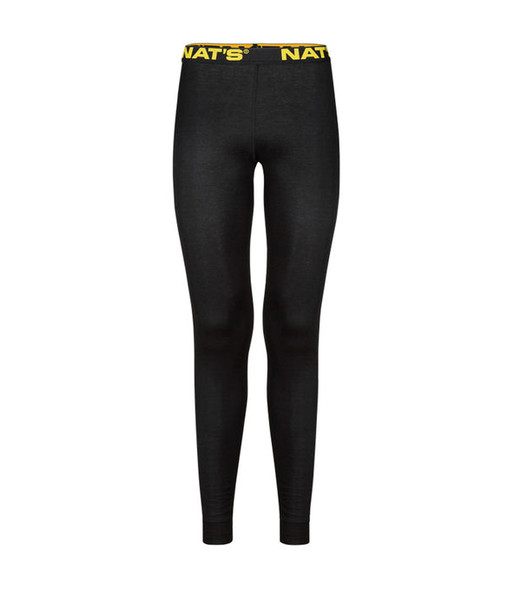
WK646 | Women's Micro Fiber Thermal Tight | Nat's
Nat's Boots
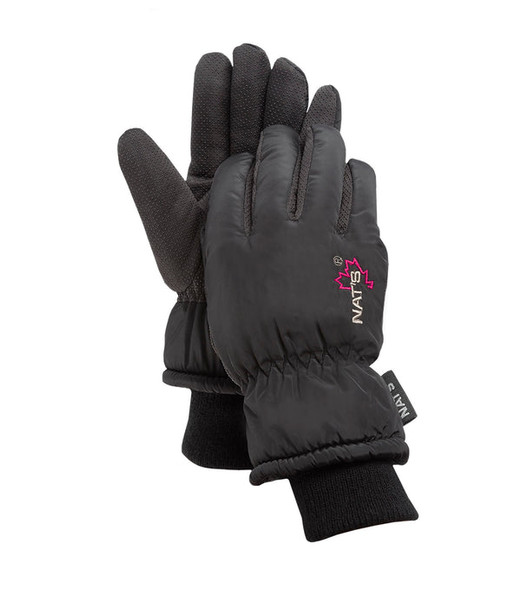
M172 | Women's Gloves | Nat's
Nat's Boots
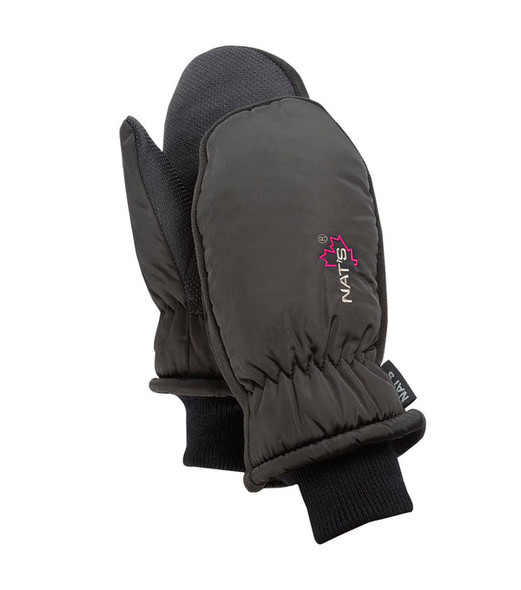
M112 | Women's Mittens | Nat's
Nat's Boots


NT0001 | Coolmax work socks (3-pair pack) | Nat's
Nat's Boots