
Guardian Fall Protection
Bull Ring Anchor | Guardian Fall Protection

- SKU:
- 00484



Description
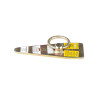
Durable, reusable anchor for wood substrates
A versatile fall protection anchor for wood that can be installed using nails or screws. Excels in residential applications where workers need to move anchors as work progresses. 360-degree loading increases work area for greater protection.
Features
- Compatible with horizontal lifelines
- Durable galvanized steel construction
- Also available in stainless steel
Specifications
- Product Weight: 2.3LB/1.04KG
- Product Length: 9''/22.86CM
- Product Height: 0.5''/1.27CM
Compliance
- OSHA 1910.140
- OSHA 1926.502
- ANSI Z359.18-2017
Downloads
More Info
Bull Ring Anchor for Fall Protection on Wood Substrates
The Bull Ring Anchor is a fall protection anchor point designed for wood substrates and residential work at height. Roofers, construction workers, and fall protection technicians typically use this reusable anchor to support moving work areas and connected systems. This Guardian Fall Protection anchor is certified to OSHA 1910.140, OSHA 1926.502, and ANSI Z359.18-2017, and it features durable galvanized steel construction.
Industry Applications and Professional Use
Construction Work Environments
Construction workers typically use this anchor point when they need a reusable anchor for framing, roof work, or phased jobsite movement. It supports work on wood substrates where crews often reposition fall protection as the project advances. The bull ring anchor helps teams maintain organized anchorage device placement on active sites.
Utilities and Field Projects
Utility crews commonly rely on fall protection anchors during elevated maintenance and access work on wood structures. The compatible layout supports horizontal lifelines and connected systems when crews manage changing load direction on site. This gives field teams a practical anchor for work at height.
Manufacturing Facilities
Maintenance teams in manufacturing environments may use a safety anchor during repair tasks that involve wood substrates or temporary access setups. The reusable design helps crews set a defined fall arrest point without creating unnecessary setup complexity. Workers benefit from a dependable anchor point for scheduled maintenance tasks.
Transportation and Maintenance Services
Transportation crews and maintenance technicians often use this anchor during repairs on structures that need temporary fall protection. The 360-degree loading design supports wider work area movement during short-duration tasks. This anchor fits service work where teams need flexibility and jobsite safety.
Residential Roofing Applications
Roofers working on residential applications commonly choose this wood roof anchor when they move across multiple work zones. The nail installation and screw installation options support changing roof conditions and repeated use through a job phase. It suits projects where crews need a reusable anchor for active fall protection.
Technical Specifications and Product Features
Understanding Product Standards
Anchor point performance depends on material strength, installation method, and system compatibility. This bull ring anchor supports wood substrates, horizontal lifelines, and 360-degree loading, which helps crews match the anchor to common fall protection layouts. These details matter because they support proper use per manufacturer instructions and industry standards.
| Specification | What It Means | Practical Benefit |
|---|---|---|
| OSHA 1910.140 | Meets a recognized workplace fall protection standard | Supports compliant use in covered applications |
| ANSI Z359.18-2017 | Industry standard for anchor hardware | Helps crews select compatible fall protection components |
| Galvanized steel construction | Durable metal build with corrosion-resistant finish | Supports repeated use in demanding jobsite conditions |
| Product length 9 in / 22.86 cm; height 0.5 in / 1.27 cm | Compact profile for wood-substrate installation | Fits practical roof and framing applications |
Use Case Scenarios and Applications
Residential Roofing
Roofers often install this anchor when they need a reusable anchor for shifting work zones on wood roofs. The 360-degree loading feature gives crews more freedom to move within the connected work area. That flexibility supports efficient fall protection on residential projects.
Framing and Wood Construction
Construction workers may mount the bull ring anchor on wood substrates during framing or structural build-out. Nail installation or screw installation gives crews options based on the project setup. This helps maintain a practical anchor point during staged construction work.
Horizontal Lifeline Setups
Technicians often use this anchor when horizontal lifelines connect across a work area. The compatibility supports systems that require a stable anchorage device and consistent load direction management. It suits crews that need a connected fall arrest point.
Maintenance and Multi-Phase Work
Maintenance crews commonly use this reusable anchor when they move from one phase of work to another. The durable design supports repeated repositioning through the duration of a job. That makes it useful for ongoing tasks where work at height changes frequently.
Ideal Applications and Work Environments
Where This Anchor Point Excels
- Residential roofing: The anchor works well on wood substrates and supports repositioning as the job progresses.
- Framing projects: Its nail installation and screw installation options suit active wood construction.
- Horizontal lifeline systems: Compatibility helps crews integrate the anchor into connected fall protection setups.
- General maintenance work: The reusable design fits short-term or phased tasks across a jobsite.
Professional Applications
Workers Who Rely on This Equipment
- Roofers: They use the anchor during residential applications and moving roof work.
- Construction workers: They install it on wood substrates during framing and elevation tasks.
- Site supervisors: They oversee anchor placement and system coordination on active jobsites.
- Fall protection technicians: They select it for compatible anchor point and lifeline setups.
- Maintenance technicians: They use it for temporary access and repair work at height.
Complete Safety Equipment Solutions
Complementary Safety Gear
This fall protection anchor works alongside other equipment for a complete setup. Crews often combine an anchor point with a full-body harness, lifelines, and connector hardware to build a coordinated system. Layered equipment helps teams manage work at height across changing job conditions.
Recommended Equipment Combinations
- Residential roofing: Bull Ring Anchor + harnesses + lifelines + connector hardware
- Horizontal lifeline work: Bull Ring Anchor + lifelines + connector hardware
- Multi-phase maintenance: Bull Ring Anchor + roof anchor accessories + harnesses + connector hardware
Selection Guide and Product Suitability
When to Choose This Product
Choose this anchor when you need a reusable anchor for wood substrates during residential roofing or framing work. It also performs well when crews must move anchors as work progresses across a roof or structure. The horizontal lifelines compatibility adds value for connected fall protection systems.
Key Evaluation Factors
- Check substrate compatibility before installation.
- Review whether the job needs nail installation or screw installation.
- Confirm system compatibility with horizontal lifelines and connector hardware.
- Consider galvanized steel or stainless steel based on environmental exposure.
Limitations and Alternative Considerations
This product is not suitable for applications that do not involve wood substrates or that require a different anchorage device design. For non-wood structures, crews may need a different anchor category or a specialized roof anchor. Available from All Safety with standard, expedited, or overnight shipping to suit project timelines.
Daily Use and Maintenance
Workplace Integration
Use this anchor when crews work on wood structures and need a reusable fall arrest point during the job phase. Install it generally using nails or screws per manufacturer instructions, and position it to match the planned load direction. On rooftops and similar environments, teams commonly integrate it into connected fall protection systems.
Care and Replacement Guidelines
Follow manufacturer guidelines for pre-use and periodic inspection, and look for wear, deformation, or damage before each use. Clean the anchor per specifications and remove debris from the anchor point after work. Replace it per manufacturer specifications and store it in a dry protected area away from corrosion sources.
Related Products
Related Products


Temper Anchor | Guardian Fall Protection
Guardian Fall Protection

Halo Anchor | Guardian Fall Protection
Guardian Fall Protection


Ridge-It Anchor | Guardian Fall Protection
Guardian Fall Protection

Guardian Parapet Anchor System | Guardian Fall Protection
Guardian Fall Protection