
Guardian Fall Protection
CB-18 Anchor Post | Guardian Fall Protection

- SKU:
- 00656/00657/00658


Description
Cb-18 Anchor Post | Guardian Fall Protection
Versatile post-style anchor fits a variety of applications
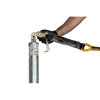
A robust anchor point suitable for installation on concrete, wood, I-beams, or steel decking. Its durable galvanized steel construction supports permanent applications such as penetrating roofs. It also works well in temporary applications that need to move as work progresses. CB-18 anchor points can be used as single point tie-offs or as part of a horizontal lifeline system to cover a greater work area.
- Its durable galvanized steel construction supports permanent applications such as penetrating roofs.
- It also works well in temporary applications that need to move as work progresses.
- CB-12 anchor points can be used as single point tie-offs or as part of a horizontal lifeline system to cover a greater work area.
- 12 post extends through finished roof
- Backer plate also available for beam or inverted installations
- Single baseplate accommodates multiple substrates
- Other models with taller posts available
- Product Weight: 31LB / 14.06KG
- Product length: 18'' / 45.72CM
- Product height: 12'' / 12.56CM
- Compliance: OSHA 1910.140, OSHA 1926.502, ANSI Z359.18
Compliance: This product (00656) meets the following regional compliance standards
- OSHA 1910.140
- OSHA 1926.502
- ANSI Z359.18
Downloads:
Instruction Manual
Technical Data Sheet
Test Report
Declaration of Conformity
Inspection Form
Inspection Form - Spanish
Compliance: This product (00657) meets the following regional compliance standards
- OSHA 1910.140
- OSHA 1926.502
Downloads:
Instruction Manual
Technical Data Sheet
Declaration of Conformity
Test Report
Inspection Form
Inspection Form - Spanish
Compliance: This product (00652) meets the following regional compliance standards
- OSHA 1910.140
- OSHA 1926.502
- ANSI Z359.18
Downloads:
Instruction Manual
Technical Data Sheet
Test Report
Declaration of Conformity
Inspection Form
Inspection Form - Spanish
Compliance: This product (00654) meets the following regional compliance standards
- OSHA 1910.140
- OSHA 1926.502
Downloads:
Instruction Manual
Technical Data Sheet
Declaration of Conformity
Test Report
Inspection Form
Inspection Form - Spanish
More Info
Anchor Post for Elevated Work and Tie-Off Applications
The CB-18 Anchor Post by Guardian Fall Protection is a post-style anchor designed for elevated work and roof access tasks. Roofers, site supervisors, and maintenance technicians typically use this equipment to create a tie-off point for work at height. This model uses galvanized steel construction and meets OSHA 1910.140, OSHA 1926.502, and ANSI Z359.18.
Industry Applications and Professional Use
Construction Work Environments
Construction workers and roofers typically use an anchor post when they need a dependable tie-off point during new builds, reroofing, or structural access work. The CB-18 anchor post works well on concrete, wood, I-beams, and steel decking, which supports a wide range of jobsite conditions. Its single baseplate design helps crews adapt the anchor to different structural substrates.
Utilities and Maintenance Operations
Maintenance technicians and fall protection technicians commonly use this product during elevated inspections, repair work, and access tasks on roofs or steel structures. The post-style anchor suits temporary or permanent anchorage needs depending on the project. Crews often rely on this type of anchorage to support controlled movement while working above ground level.
Manufacturing Facilities
Manufacturing teams often use anchor points when they maintain overhead equipment or access elevated building areas. The CB-18 anchor post fits work zones with steel decking or beam-based structures. It helps facilities support work-at-height procedures without requiring a different anchor design for every substrate.
Warehousing and Transportation Sites
Safety coordinators and site supervisors commonly specify anchor posts for warehouse roofs, loading areas, and other elevated work zones. Workers can use the anchor post as part of a single point tie-off or a horizontal lifeline system. That flexibility supports changing access needs in large facilities.
Municipal Services
Municipal crews often work on public buildings, maintenance roofs, and infrastructure surfaces that require flexible anchorage. The CB-18 anchor post suits these tasks because it can serve both temporary and more permanent applications. All Safety supplies equipment like this for work zones that need practical fall protection planning.
Technical Specifications and Product Features
Understanding Product Standards
Anchor post specifications matter because crews need a stable tie-off point that matches the structure and the task. Galvanized steel construction supports durable use in demanding environments, while compatibility with multiple substrates adds flexibility. The listed compliance standards help buyers compare this anchor post to project requirements.
| Specification | What It Means | Practical Benefit |
|---|---|---|
| OSHA 1910.140 | Regulatory fall protection standard for workplace systems | Helps teams select equipment for compliant worksite planning |
| ANSI Z359.18 | Anchor performance standard for fall protection connectors and anchors | Supports anchor selection for tie-off applications |
| Galvanized steel construction | Corrosion-resistant metal build | Supports use in outdoor and exposed work environments |
| 12 post extends through finished roof | Post length suited to roof penetration applications | Helps crews use the anchor on finished roof assemblies |
Use Case Scenarios and Applications
Temporary Roof Access Projects
Crews often use the CB-18 anchor post during temporary roofing work when they need a tie-off point that can move with the job. The post-style anchor supports elevated work on roof surfaces and other structural substrates. That flexibility helps workers maintain efficient access during changing task locations.
Permanent Anchoring for Roof Penetration Work
Installers typically choose this model for permanent applications that involve penetrating roofs. The galvanized steel build suits long-term placement, and the post extends through the finished roof as part of the installation. Workers can use it as a fixed fall arrest anchor where the structure allows.
Beam and Steel Deck Installations
Teams often rely on this anchor post when they need beam installation or steel decking compatibility. The available backer plate supports beam or inverted installations, which broadens the equipment’s use across structural work. This helps crews adapt one anchor solution to more than one type of substrate.
Large-Scale Work Areas
Supervisors commonly use the CB-18 anchor post in larger work zones where a horizontal lifeline system improves reach. The anchor can serve as a single point tie-off or anchor multiple movement zones. That versatility supports work that progresses across a wider area.
Ideal Applications and Work Environments
Where This Anchor Post Excels
- Roofing and reroofing projects: Galvanized steel and roof penetration compatibility support permanent or temporary anchorage.
- Steel structure maintenance: Beam installation and steel decking compatibility suit structural work sites.
- Concrete or wood deck access: The single baseplate accommodates multiple substrates for flexible tie-off planning.
- Multi-area elevated work: Horizontal lifeline system use helps teams cover a greater work area.
Professional Applications
Workers Who Rely on This Equipment
- Roofers: Use it for roof access, reroofing, and tie-off tasks on finished roofs.
- Site supervisors: Specify it for work planning and elevated task coordination.
- Fall protection technicians: Install and verify it as part of an anchor system.
- Maintenance technicians: Use it for routine service work on roofs and steel structures.
- Construction workers: Rely on it during elevated work and structural access tasks.
- Safety coordinators: Select it when projects need anchor points for fall protection systems.
Complete Safety Equipment Solutions
Complementary Safety Gear
The anchor post works alongside other fall protection equipment for a more complete system. Crews often combine anchors, harnesses, lanyards, and lifeline components to support layered planning on elevated work sites. This approach helps teams match equipment to the task, the substrate, and the movement pattern.
Recommended Equipment Combinations
- Roof access work: Anchor post + full body harnesses + lanyards + roof anchors
- Beam-based maintenance: Anchor post + full body harnesses + horizontal lifeline systems
- Multi-zone elevated work: Anchor post + lanyards + horizontal lifeline systems
Selection Guide and Product Suitability
When to Choose This Product
Choose this anchor post when a project needs a stable tie-off point on concrete, wood, I-beams, or steel decking. It also works well when teams need both single point tie-offs and horizontal lifeline system compatibility. Crews often select it when they want one anchor solution for temporary or permanent anchorage.
Key Evaluation Factors
- Structural substrate compatibility
- Temporary or permanent application needs
- Need for single point tie-offs or lifeline anchorage
- Roof penetration, beam installation, or inverted mounting requirements
Limitations and Alternative Considerations
This product is not suitable for jobs that require a different anchor format or a specialized engineered anchorage system. Teams may need another roof anchor or substrate-specific solution when the structure does not support this post-style anchor. Available from All Safety with standard, expedited, or overnight shipping to suit project timelines.
Daily Use and Maintenance
Workplace Integration
Workers typically use this anchor post when elevated work begins and a tie-off point must match the structural substrate. Crews generally install and use it per manufacturer instructions for concrete, wood, I-beams, or steel decking. On roof projects, teams often plan placement before work progresses across the surface.
Care and Replacement Guidelines
Follow manufacturer guidelines for inspection of the anchor, fastener, and structural connection. Clean the galvanized steel surface according to manufacturer specifications and remove debris or corrosion as needed. Replace the unit per manufacturer specifications after damage, wear, or a failed inspection, and store it in a dry protected area away from moisture and contamination.
Related Products
Related Products


Cb-12 Anchor Post | Guardian Fall Protection
Guardian Fall Protection


CB Anchor Backer Plate | Guardian Fall Protection
Guardian Fall Protection

Hydrajaws Adapter For CB Anchors | Guardian Fall Protection
Guardian Fall Protection

Install Screws For CB Anchor Point | Guardian Fall Protection
Guardian Fall Protection

CB-1-W - Weld-on Anchor | Guardian Fall Protection
Guardian Fall Protection