


Description
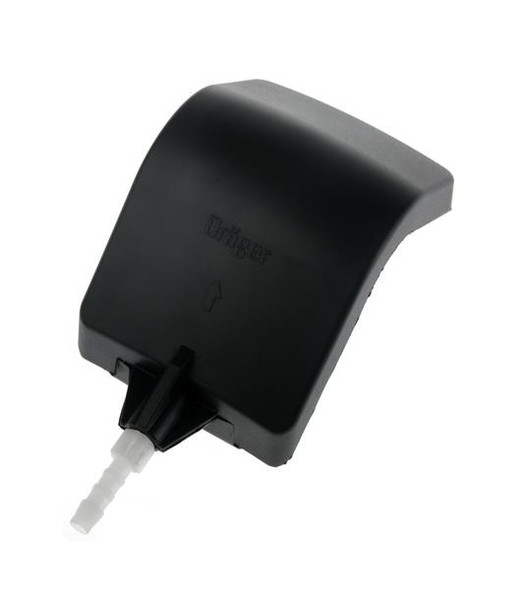
The Bump Test Station (BTS) PAC by Dräger is a compact and efficient system designed to perform bump tests on Dräger portable gas detectors. A bump test is a quick check to ensure that the gas detector is functioning properly and responding to the calibration gases, verifying its performance before use in hazardous environments.
Key Features:
-
Automated Bump Test Process: The Dräger BTS PAC automates the process of bump testing, reducing the need for manual intervention and increasing the efficiency of routine checks.
-
User-Friendly Interface: Equipped with a clear and intuitive display, the device allows for easy operation, even by operators with minimal training.
-
Supports Multiple Gas Detectors: The station is compatible with a range of Dräger gas detectors, including the Dräger PAC 6000 and PAC 6500.
-
Calibration and Testing in One Step: The system not only conducts the bump test but also ensures that the sensors are calibrated to the proper response for a range of gases.
-
Robust and Reliable: Built to handle harsh industrial environments, it is designed to withstand wear and tear while maintaining consistent performance.
-
Built-In Data Logging: The test results are logged automatically, allowing operators to easily track test history and ensure compliance with safety regulations.
-
Compact Design: It is space-saving, ideal for environments where workspace is limited, yet ensures reliable testing capabilities.
Applications:
The Dräger Bump Test Station PAC is essential for industries where worker safety is paramount, such as in oil & gas, chemical plants, mining, or other environments where gas hazards may exist. Regular bump testing helps maintain the integrity of the gas detectors and ensures the safety of personnel in potentially dangerous conditions.
More Info
Bump Test Station for Portable Gas Detector Verification
The Bump Test Station PAC by Dräger is a bump test station designed for routine testing of portable gas detectors and gas detector calibration in industrial work settings. Safety coordinators, maintenance technicians, and site supervisors typically use this equipment to verify detector response before use. This compact test dock supports PAC 6000 and PAC 6500 units, and it includes automated bump test, data logging, and calibration and testing in one step.
Industry Applications and Professional Use
Oil & Gas Work Environments
Safety coordinators and maintenance crews typically use this portable monitor station for routine gas detector testing at drilling sites, refineries, and service yards. These environments often require frequent bump test procedure checks before workers enter areas with gas hazards. The automated bump test function helps teams streamline detector verification and record keeping for workplace gas monitoring.
Chemical Plants
Health and safety managers and instrument technicians commonly rely on this gas detector maintenance solution for calibration check tasks in process areas and service rooms. Chemical facilities often run daily-use verification programs to support documentation and detector readiness. Built-in data logging helps teams track test history for compliance-focused maintenance routines.
Mining Operations
Site supervisors and equipment operators often use this robust industrial safety equipment in underground and surface mining programs. Mining teams usually need compact tools that fit limited workspace while supporting detector verification before shifts. The space-saving design and automated gas detector testing support consistent workflow in busy industrial environments.
Manufacturing Facilities
Maintenance technicians and safety coordinators commonly place this test dock in maintenance shops and industrial service areas. Manufacturing sites often need portable gas detector maintenance tools that simplify daily checks without disrupting production schedules. The unit supports workplace gas monitoring programs with clear operation and repeatable test results.
Utilities and Emergency Services
Utilities crews and emergency response teams frequently use portable gas detectors in fast-moving field work, so they benefit from a compact monitor station that supports routine verification. These users often need reliable record keeping and quick calibration gas checks before deployment. The device fits scheduled maintenance cycles and pre-use testing programs.
Technical Specifications and Product Features
Understanding Product Standards
For gas detector testing, the right station helps teams complete a calibration check with consistency and clear records. This product supports automated bump test workflow, which reduces manual steps and helps operators manage routine detector verification. Dräger designed it for portable gas detectors used in demanding industrial environment conditions.
| Specification | What It Means | Practical Benefit |
|---|---|---|
| Automated bump test process | The station performs the test sequence with minimal manual input. | Teams complete routine checks faster and with more consistent steps. |
| Built-in data logging | The unit stores test results automatically. | Operators can review record keeping for maintenance and compliance tasks. |
| Supports PAC 6000 and PAC 6500 | The station works with compatible Dräger portable gas detectors. | Facilities can standardize gas detector maintenance across common units. |
| Compact design | The station uses a space-saving footprint. | Users can place it in maintenance shops and service areas with limited room. |
Use Case Scenarios and Applications
Daily Pre-Use Checks
Workers often use the bump test station before shifts when they need a quick detector verification step. The automated bump test function helps simplify the bump test procedure and supports routine use. This setup fits operations that rely on portable gas detectors every day.
Scheduled Maintenance Cycles
Maintenance programs typically use the station during planned service intervals for calibration and testing in one step. The built-in data logging helps teams track when checks occur and how detectors respond over time. That approach supports organized gas detector maintenance and record keeping.
Industrial Service Areas
Industrial facilities often place the station in maintenance shops or gas detection service areas where technicians manage multiple units. The user-friendly interface helps operators complete test dock tasks with minimal training. This makes the system practical for shared workplace gas monitoring programs.
Limited Workspace Installations
Sites with tight floor space commonly choose compact equipment that still supports reliable gas detector testing. The space-saving design helps the station fit along service benches or near charging and calibration stations. That layout supports efficient workflow in busy industrial environment settings.
Ideal Applications and Work Environments
Where This Product Category Excels
- Oil and gas sites: Supports routine bump test station use for portable gas detectors in field and facility operations.
- Chemical processing areas: Helps teams manage gas detector calibration and data logging for maintenance records.
- Mining operations: Fits compact test dock needs where workspace is limited and detector verification stays frequent.
- Manufacturing maintenance programs: Streamlines daily-use testing for portable gas detector maintenance and record keeping.
Professional Applications
Workers Who Rely on This Equipment
- Safety coordinators: They use it to support routine detector verification and maintenance tracking.
- Maintenance technicians: They rely on it for scheduled gas detector maintenance and calibration checks.
- Instrument technicians: They use it to confirm detector response and review test history.
- Site supervisors: They use it to manage pre-use checks across crews and shifts.
- Equipment operators: They depend on it before entering areas that require workplace gas monitoring.
- Health and safety managers: They use it to support record keeping and standard testing routines.
Complete Safety Equipment Solutions
Complementary Safety Gear
This bump test station works alongside other safety equipment for a more complete gas detection program. Teams often combine routine testing with the right accessories so they can manage calibration gases, monitor readiness, and keep devices organized. All Safety supports these layered programs for industrial safety equipment users who need dependable workflow support.
Recommended Equipment Combinations
- Routine detector verification: Bump test station + calibration gas + cylinder regulators + gas detector accessories
- Field maintenance program: Bump test station + personal gas monitors + calibration gas
- Service-area setup: Bump test station + gas detector accessories + cylinder regulators
Selection Guide and Product Suitability
When to Choose This Product
Choose this station when your team needs automated bump test support for portable gas detectors before use. It also works well when you need gas detector calibration and data logging in one compact device. Facilities with daily-use detector verification often benefit from the simplified workflow.
Key Evaluation Factors
- Detector compatibility with PAC 6000 and PAC 6500 units
- Need for automated bump test and calibration check workflow
- Space available in the maintenance or service area
- Importance of data logging for record keeping
Limitations and Alternative Considerations
This product is not suitable for teams that need a standalone gas detector rather than a test dock. It may also be less appropriate for programs using non-Dräger detector models, which may call for a different calibration station or test solution. Available from All Safety with standard, expedited, or overnight shipping to suit project timelines.
Daily Use and Maintenance
Workplace Integration
Use the station when teams need routine verification before shifts or during scheduled maintenance checks. Operators generally connect and run the unit per manufacturer instructions for automated bump testing and calibration. In maintenance shops and service areas, the compact design helps keep the workflow organized.
Care and Replacement Guidelines
Follow manufacturer guidelines for inspection of functional checks, display review, and docking interface condition. Manufacturers typically recommend cleaning external surfaces and contacts per specifications, and teams should replace components per manufacturer specifications when wear affects test function. Store the unit in a dry, controlled environment per manufacturer instructions.
Related Products
Related Products

Bump Test Station X-am 1/2/5x00 w/o cyl. | Draeger
Draeger
Bump Test Adapter (X-zone 5X00) | Draeger
Draeger


Pac 8000 | Draeger
Draeger

Calibration and Bump Testing - X-dock 6300 | Draeger
Draeger

Calibration and Bump Testing - X-Dock 5300 | Draeger
Draeger