
Draeger
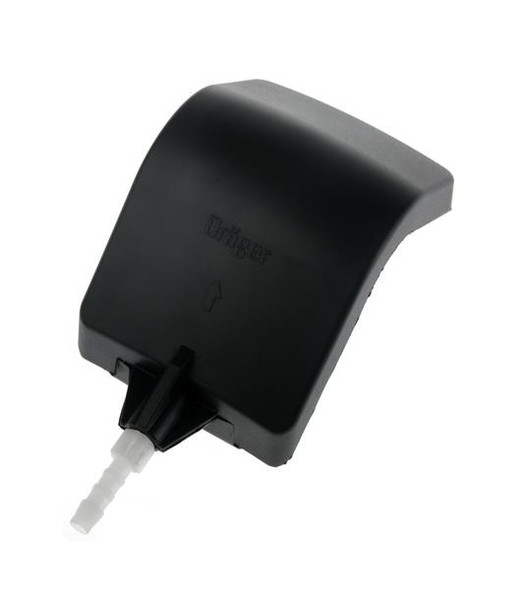
Bump Test Station X-am 1/2/5x00 w/o cyl. | Draeger

- SKU:
- 8319131

Description
The Draeger X-am 1/2/5x00 series is a line of advanced gas detection devices designed for safety in hazardous environments. These devices are particularly used to detect and monitor the presence of toxic gases, combustible gases, and oxygen levels in industrial and confined space settings. The “bump test station” typically refers to a device or station that allows users to perform a quick check or calibration of portable gas detectors to ensure their proper functioning before use.
1. Purpose and Use:
-
The X-am series (1, 2, and 5) from Draeger is used for personal and area gas detection, ensuring worker safety in environments where toxic, combustible gases, or oxygen deficiency may pose a risk.
-
Bump Testing: This is a routine procedure that involves exposing the gas detector to a known concentration of test gas (usually a mix of gases relevant to the environment). The bump test station helps users quickly check the sensor's response, ensuring that the device is ready for accurate readings in the field.
-
Calibration: The bump test station typically integrates with the X-am detectors to calibrate them automatically to factory standards, ensuring they give accurate readings.
2. Model Variations:
-
The X-am 1: A single-gas detector, used for monitoring a single gas (e.g., oxygen, carbon monoxide, hydrogen sulfide, etc.).
-
The X-am 2: A two-gas detector, used to monitor two gases simultaneously.
-
The X-am 5: A five-gas detector that can monitor a combination of up to five gases at once, providing extensive coverage for complex or hazardous environments.
3. Key Features of the X-am Detectors:
-
Compact and Lightweight: The X-am series is designed to be portable, easy to carry, and user-friendly, with a simple interface and easy-to-read display.
-
Durability: The detectors are built to withstand tough industrial environments, with impact-resistant casings and waterproof designs (typically rated to IP67).
-
Sensor Options: The X-am series offers a wide range of sensors, including electrochemical sensors for toxic gases, catalytic bead sensors for combustible gases, and infrared sensors for carbon dioxide and other gases.
-
Long Battery Life: They typically come with long-lasting rechargeable batteries, ensuring that the device operates for extended periods without frequent recharging.
-
Alarm System: Equipped with visual, audible, and vibration alarms, the X-am detectors will notify the user if gas concentrations exceed pre-set safety thresholds.
4. Bump Test Station:
-
Functionality: The bump test station is used to ensure the gas detectors are functioning properly. It performs a quick test by briefly exposing the gas detector to test gases.
-
Calibration Capabilities: This station can also handle calibration, which is the more thorough procedure to ensure the gas sensor is correctly reading the gas levels based on factory standards.
-
Automated Testing: Many bump test stations automate the entire process, reducing the likelihood of user error and ensuring consistency in results.
-
Convenience: The bump test station can quickly test multiple devices in sequence, often with little setup required, making it an efficient tool for companies that use many detectors.
5. Specifications and Performance:
-
Measurement Ranges: The X-am 1/2/5x00 detectors have a broad range of gas detection capabilities depending on the sensors installed.
-
For example, oxygen (O₂) typically has a range of 0-30% vol, while toxic gases like CO and H₂S may have detection ranges from 0-100 ppm.
-
Combustible gases (e.g., methane or propane) can have ranges from 0-100% LEL (Lower Explosive Limit).
-
-
Temperature Range: They are designed to work in a wide range of temperatures, typically from -20°C to +50°C.
-
Data Logging and Communication: Some versions of the X-am series come with data-logging functionality, storing measurement data for later analysis. They also have Bluetooth or USB connectivity to allow for easy data transfer to computers or mobile devices.
6. Without Cylinder:
-
The term "without cylinder" indicates that the bump test station or the detector itself does not come with the gas calibration cylinder. These gas cylinders, which contain known concentrations of gases, are required to perform the bump test or calibration.
-
Users will need to purchase the necessary test gases separately, depending on the gases being monitored by the X-am device. Common gases include CO, H₂S, O₂, and combustible gases like methane.
Typical Applications:
-
Confined Space Entry: Ensuring safety when workers enter tanks, sewers, or other enclosed areas where toxic or explosive gases may be present.
-
Industrial Settings: Factories, warehouses, and chemical plants where multiple hazardous gases may be present.
-
Construction Sites: Monitoring air quality in environments where flammable gases or oxygen levels may fluctuate.
-
Emergency Response: First responders use these detectors to assess air quality in hazardous or emergency situations.
Additional Features to Consider:
-
Data Export: Many devices in this series allow for data export to a PC or mobile device for record-keeping or reporting.
-
Warranty and Support: Draeger offers a comprehensive warranty and excellent customer support for the X-am series, with options for ongoing service and calibration.
The Draeger X-am 1/2/5x00 bump test station and gas detectors are robust, high-performance tools for ensuring safety in hazardous work environments, providing reliable, real-time gas monitoring and quick verification of gas detector functionality through bump testing and calibration.
Related Products
Related Products
Bump Test Adapter (X-zone 5X00) | Draeger
Draeger

Bump Test Station PAC | Draeger
Draeger

X-Zone 5x00 Alarm-Attenuation Ring | Draeger
Draeger

Calibration and Bump Testing - X-Dock 5300 | Draeger
Draeger

Calibration and Bump Testing - X-dock 6300 | Draeger
Draeger