
Dynamic Safety
Full Wood Spinal Board for Stretchers | Dynamic
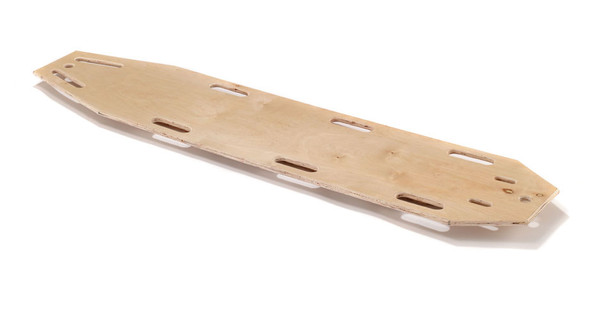
- SKU:
- FASB01WS

Description
Full Wood Spinal Board for Stretchers| Dynamic
This spinal board is constructed of solid wood with supports for insertion in stretchers. This product fits into the FAWBS wire basket stretcher (sold separately).
- Solid wood spinal board
- Includes three adjustable straps/buckles
- Wire Basket Stretcher, sold separately: FAWBS
More Info
Spinal Board for Emergency Patient Transport
The Full Wood Spinal Board for Stretchers Dynamic is a spinal board designed for emergency patient transport and immobilization during rescue and extrication work. Paramedics, emergency responders, and rescue personnel typically use this equipment to support controlled movement in time-sensitive situations. It features solid wood construction, adjustable straps, and buckles, and it fits the FAWBS wire basket stretcher.
Industry Applications and Professional Use
Emergency Services Work Environments
Paramedics and emergency responders typically use a spinal board during trauma response, extrication, and patient transfer. In ambulances, rescue vehicles, and incident scenes, crews rely on a stable backboard to support first aid transport and spinal immobilization. This approach helps teams manage patient movement with a practical rescue board and stretcher insert setup.
Transportation Incident Response
Transportation crews and roadside rescue teams commonly use a solid wood board when vehicle collisions require controlled patient handling. The board supports trauma response tasks where teams need fast access to emergency medical equipment and a dependable method for short-term transport. It works well when responders coordinate patient transport with a wire basket stretcher.
Construction Site First Aid
Construction safety coordinators and site response teams often keep a spinal board available for fall incidents or heavy-equipment events. The board fits workplace first aid plans that call for immobilization, extrication, and organized handoff to prehospital care. Solid wood construction gives crews a sturdy option for active jobsite conditions.
Warehousing and Industrial Operations
Warehouse leads and industrial responders generally use this equipment when an on-site incident requires immediate patient support. The board assists with controlled movement through aisles, loading areas, and plant floors where worker access can be limited. Adjustable straps and buckles help teams manage patient stabilization during transfer.
Municipal and Remote Worksites
Municipal services and remote work crews commonly depend on a spinal board for outdoor rescue and evacuation scenarios. In these environments, responders need portable first aid transport equipment that works in stations, field posts, and isolated job sites. The Dynamic board supports practical rescue operations where quick patient movement matters.
Technical Specifications and Product Features
Understanding Product Standards
Spinal boards matter because responders need a stable surface for patient support, immobilization, and stretcher insertion. Solid wood construction offers a simple, durable design for emergency medical equipment workflows. The fit with the FAWBS wire basket stretcher helps crews move patients in a coordinated way.
| Specification | What It Means | Practical Benefit |
|---|---|---|
| Solid wood construction | A full wood spinal board built from wood materials | Provides a sturdy backboard for patient transport |
| Three adjustable straps/buckles | Secure fastening points for patient restraint | Helps crews manage immobilization during extrication |
| FAWBS wire basket stretcher compatibility | Designed for insertion into the compatible stretcher | Supports controlled transfer in rescue operations |
Use Case Scenarios and Applications
Emergency Response and Rescue Scenes
In rescue scenes, teams use the spinal board during urgent patient movement from unstable or difficult locations. The board supports extrication work when responders need a rescue board that pairs with a stretcher insert. Crews often value the straightforward setup during prehospital care.
Industrial Incident Response
Industrial teams use this board when a worker needs prompt transport after a site incident. The solid wood board and adjustable straps help crews manage immobilization before transfer to medical personnel. This makes it useful in plants, yards, and maintenance areas.
Vehicle Collision Management
Roadside responders commonly use a spinal board alongside a wire basket stretcher during vehicle collision management. The board helps teams organize patient transport and maintain a stable handling process. It suits situations where crews need a clear path from scene to ambulance.
Remote Worksite Evacuation
Remote worksites often require portable emergency medical equipment that supports evacuation planning. This spinal board helps crews move an injured person when the site lacks immediate facility access. It works well for short-term patient transport in outdoor conditions.
Ideal Applications and Work Environments
Where This Spinal Board Excels
- Emergency response and rescue scenes: The board supports rapid patient transport and stretcher compatibility in active incidents.
- Industrial incident response: Solid wood and adjustable straps suit controlled immobilization during workplace emergencies.
- Vehicle collision management: Crews can combine the board with a wire basket stretcher for coordinated movement.
- Remote worksite first aid: The board fits evacuation planning where responders need portable spine support.
Professional Applications
Workers Who Rely on This Equipment
- Paramedics: Use the spinal board for trauma response, immobilization, and patient transfer.
- Emergency responders: Rely on it during extrication and prehospital care.
- First aid attendants: Use it for short-term patient support until advanced care arrives.
- Safety coordinators: Keep it ready for workplace incident response planning.
- Rescue personnel: Use it in field operations where controlled patient movement matters.
Complete Safety Equipment Solutions
Complementary Safety Gear
This spinal board works alongside other emergency medical equipment to support coordinated patient handling. Teams often combine multiple layers of care so they can manage immobilization, head support, and transport together. All Safety supplies these solutions for crews building a practical first aid transport system.
Recommended Equipment Combinations
- Emergency transport scenario: Spinal board + wire basket stretcher + cervical collar + head immobilizer
- Worksite response scenario: Spinal board + first aid kit + cervical collar
- Rescue scene scenario: Spinal board + stretcher + head immobilizer
Selection Guide and Product Suitability
When to Choose This Product
Choose this spinal board when your team needs a solid wood board for patient transport and immobilization during emergency response. It also fits well when crews already use a wire basket stretcher for rescue operations. The adjustable straps and buckles add value when responders need a straightforward extrication setup.
Key Evaluation Factors
- Compatibility with your stretcher system
- Condition and usability of the adjustable straps
- Space available for storage and quick access
- Typical incident types at your site
Limitations and Alternative Considerations
This product is not suitable for users who need a complete stretcher system without a compatible basket stretcher. Some teams may also prefer a different rescue board style for specialized transport needs. Available from All Safety with standard, expedited, or overnight shipping to suit project timelines.
Daily Use and Maintenance
Workplace Integration
Teams typically use the board when an emergency response begins and when patient extrication requires a stable surface. Crews should secure the straps and buckles per manufacturer instructions before moving the patient. In ambulances, rescue operations, and first aid stations, staff usually keep the board accessible for short-term use.
Care and Replacement Guidelines
Inspect board integrity, strap condition, and buckle function before use and after each incident. Clean the spinal board according to manufacturer specifications, then store it in a dry, accessible area away from contamination. Replace worn or damaged straps, buckles, or the board itself per manufacturer specifications and industry guidance.
Related Products
Related Products

Dynamic Aluminium Double Folding Stretcher
Dynamic Safety

Harness Bridle for Wire Basket Stretcher | Dynamic
Dynamic Safety
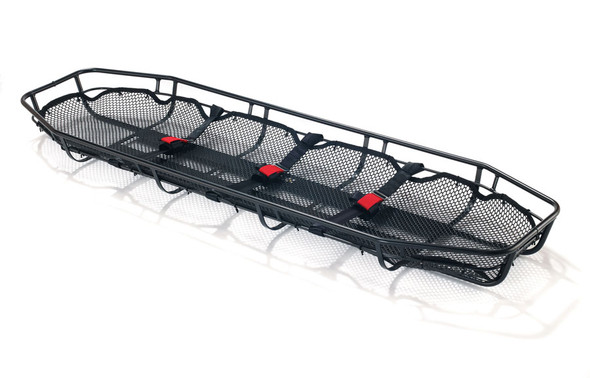
First Aid Wire Basket Stretcher with Straps | Dynamic
Dynamic Safety
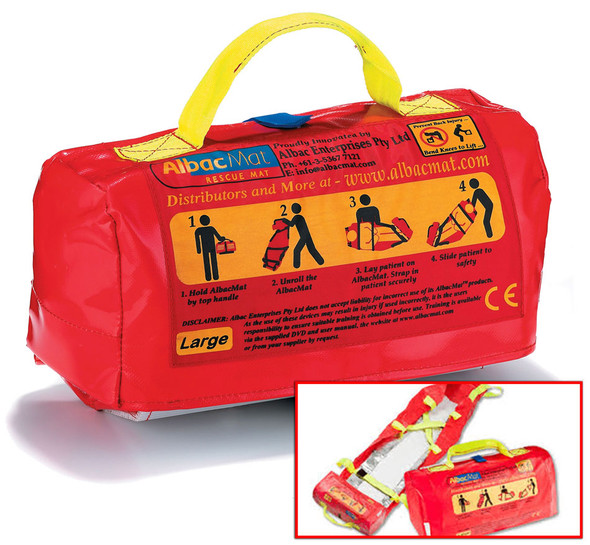
Albac Mat Safety Rescue Stretcher | Standard & Large | Dynamic
Dynamic Safety

Stretcher Bag for Double Fold Pole Stretcher
WASIP