


Description
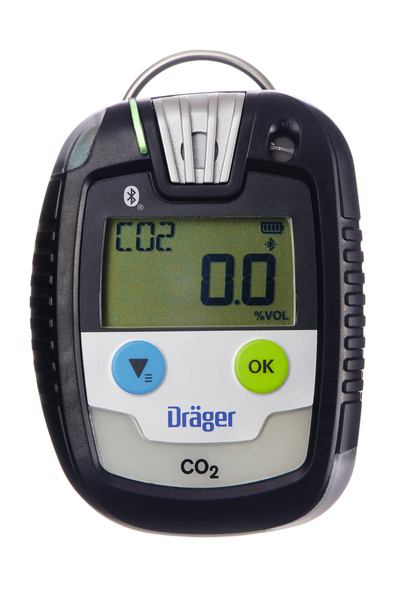
The Dräger Pac 8000 H2 is a high-performance handheld gas detector designed for continuous monitoring of hydrogen (H2) in a variety of industrial applications. This portable device is part of the Pac series from Dräger, a leading manufacturer of safety and monitoring equipment.
Key Features:
-
Hydrogen Detection (H2):
-
The Dräger Pac 8000 is specifically designed for the detection of hydrogen gas. It has a high sensitivity for detecting low concentrations of hydrogen, which is essential for applications where hydrogen gas can pose a safety hazard, such as in fuel cell technology, chemical plants, refineries, and other industrial environments.
-
-
Bluetooth Connectivity:
-
One of the standout features of this device is its Bluetooth functionality. The Pac 8000 H2 comes with Bluetooth communication capabilities, which allows the device to wirelessly connect with mobile applications and other compatible Dräger equipment. This enables remote monitoring, data logging, and configuration without the need for physical access to the device.
-
-
Durability:
-
The device is ruggedly designed to withstand harsh environments. It is IP68-rated, meaning it is both dustproof and can be submerged in water up to 1.5 meters for 30 minutes. This makes the Pac 8000 suitable for use in challenging outdoor and industrial conditions.
-
-
Long Battery Life:
-
The Pac 8000 features a long-lasting battery, typically providing up to 2 years of continuous operation (depending on usage). The extended battery life reduces the need for frequent recharging or battery changes, which is ideal for critical, long-term monitoring.
-
-
Large, Clear Display:
-
The device includes a large, high-resolution display that clearly shows gas concentration readings. The display is designed to be easy to read in both bright and low-light conditions. It also features intuitive navigation to quickly access various settings and options.
-
-
Alarm System:
-
The Pac 8000 comes equipped with both visual and audible alarms that activate when gas concentrations exceed preset limits. The alarm system ensures that users are alerted promptly to dangerous conditions. The sound level is sufficient to be heard in noisy environments, and the visual alarms are bright and visible even in bright sunlight.
-
-
Data Logging and Reporting:
-
The Bluetooth connectivity, paired with Dräger’s software (like Dräger Gas Detection App), allows for the easy transfer of data to smartphones or tablets. This feature is particularly useful for documentation, compliance purposes, and real-time monitoring.
-
-
Quick Calibration:
-
The device can be easily calibrated using Dräger's CalStation or via automated processes, ensuring accurate and reliable measurements over time. Calibration is essential for maintaining precision, especially in critical safety scenarios.
-
-
Compact and Lightweight:
-
The Pac 8000 is designed to be portable and lightweight, making it easy for users to carry it on their person throughout the workday. Its ergonomic design ensures it can be comfortably worn or held.
-
-
Compliance with International Standards:
-
The device meets various international safety standards for portable gas detectors, including ATEX for use in hazardous areas, and complies with ISO and IEC standards, ensuring it is a reliable tool for industrial environments.
-
Applications:
-
Industrial Safety: Hydrogen gas can pose a significant risk in industries like petroleum, chemicals, and refineries, where its flammable nature can cause explosions. The Pac 8000 provides a reliable way to monitor H2 concentrations and prevent accidents.
-
Energy and Fuel Cells: With the increasing use of hydrogen as a clean energy source, especially in fuel cell technologies, this gas detector plays a key role in ensuring safety during hydrogen production, storage, and transport.
-
Laboratories and Research: The Pac 8000 H2 is ideal for environments where hydrogen gas is used in chemical analysis, scientific experiments, and other research activities.
Specifications:
-
Gas Detected: Hydrogen (H2)
-
Measuring Range: Typically from 0 to 100% LEL (Lower Explosive Limit)
-
Detection Principle: Electrochemical sensor
-
Response Time: Fast response (typically in seconds)
-
Battery Life: Up to 2 years (depending on usage)
-
Alarm Indicators: Visual, audible, and vibration alarms
-
Display: Large LCD screen with clear readings
-
Bluetooth Range: Up to 10 meters (depending on environment)
-
Calibration: Manual calibration or via automated station
-
Operating Temperature Range: -20°C to +50°C (-4°F to +122°F)
-
Ingress Protection: IP68, dustproof, and waterproof
Conclusion:
The Dräger Pac 8000 H2 with Bluetooth is an essential tool for industrial safety, particularly in environments where hydrogen gas is used or generated. Its combination of reliable hydrogen detection, robust design, and Bluetooth connectivity for data logging and real-time monitoring makes it an invaluable device for ensuring the safety of workers and compliance with industrial standards. Whether used in high-risk industrial applications or research environments, the Pac 8000 provides both protection and ease of use.
More Info
Portable Hydrogen Gas Detector for Industrial Monitoring
The Draeger Pac 8000 H2 w/Bluetooth is a portable gas detector designed for hydrogen monitoring in industrial work scenarios and hazardous areas. Safety coordinators, maintenance technicians, and plant supervisors typically use this hydrogen gas detector to track gas concentration and support workplace compliance. This ATEX certified equipment features Bluetooth connectivity, an electrochemical sensor, and IP68-rated construction for demanding field use.
Industry Applications and Professional Use
Oil & Gas Work Environments
Operators and safety coordinators typically use a portable hydrogen gas detector during routine gas monitoring in refineries, processing units, and maintenance zones. Hydrogen sensing helps teams observe gas concentration near process equipment, vents, and transfer points. The alarm system and remote monitoring features support industrial safety programs in hazardous areas.
Manufacturing Facilities
Maintenance technicians and plant supervisors commonly rely on a handheld detector during pre-entry checks and daily-use inspections around production lines. Bluetooth connectivity supports data logging and documentation when teams need clear records. The large LCD display helps workers read readings quickly in busy environments.
Utilities and Energy Sites
Energy technicians often carry a portable monitor during work on hydrogen systems, storage areas, and service operations. The rugged design suits indoor and outdoor use where dust, moisture, and changing conditions matter. Visual audible and vibration alarms help alert crews to rising gas concentration levels.
Transportation Operations
Transportation teams commonly use gas monitor equipment when working around hydrogen-powered fleets, service bays, and charging or fueling areas. Compact and lightweight construction supports on-person carry throughout a shift. This approach helps teams maintain consistent monitoring during routine observations.
Laboratories and Research Settings
Lab technicians and research staff often use a portable gas monitor during experiments, sample handling, and equipment testing. Clear readings, quick response, and data logging help teams document conditions over time. The device supports controlled monitoring where precision and traceability matter.
Technical Specifications and Product Features
Understanding Product Standards
Gas monitors depend on reliable sensor performance, clear alarms, and durable construction because teams often use them in active work zones. The Pac 8000 pairs hydrogen sensing with Bluetooth connectivity and an electrochemical sensor to support monitoring and reporting. Its ATEX certification and IP68-rated enclosure help suit industrial environments and hazardous areas.
| Specification | What It Means | Practical Benefit |
|---|---|---|
| ATEX | Certified for use in applicable hazardous areas | Supports safer selection for regulated industrial zones |
| IP68-rated | Dust-tight and water-resistant under defined conditions | Helps the detector handle harsh indoor and outdoor work |
| 0 to 100 LEL measuring range | Measures hydrogen concentration within the listed lower explosive limit range | Gives crews useful data for routine gas concentration checks |
| Up to 2 years battery life | Long battery service interval depending on use | Reduces interruptions during extended monitoring periods |
Use Case Scenarios and Applications
Routine Plant Monitoring
Teams often use this portable gas detector during daily-use walkthroughs and pre-entry checks. The visual audible and vibration alarms help workers notice changes quickly, even in noisy spaces. Bluetooth connectivity supports documentation after each round.
Large-Scale Facility Oversight
Supervisors typically deploy the device across multiple work areas in manufacturing, energy, or utilities operations. The compact format supports frequent carry between locations. The large display helps personnel review readings without slowing down field work.
Indoor Laboratory Monitoring
Lab staff commonly use the unit during experiments and routine hydrogen handling tasks. The electrochemical sensor supports responsive hydrogen detection, while the clear display helps users track gas concentration in real time. Data logging also supports internal records.
Outdoor and Field Service Work
Field crews often need a rugged gas monitor that handles changing weather and site conditions. The IP68-rated enclosure and long battery life suit outdoor observations and extended shifts. Workers can carry the unit per manufacturer instructions and stay focused on the job.
Ideal Applications and Work Environments
Where This Portable Hydrogen Gas Detector Excels
- Hydrogen production and storage areas: Compact monitoring supports routine checks and Bluetooth data transfer for site records.
- Chemical processing facilities: Frequent gas concentration checks pair well with the alarm system and handheld format.
- Fuel cell technology workspaces: Workers commonly need portable monitoring for routine observations and compliance tasks.
- Laboratories and research settings: The clear display and logging features help teams document hydrogen sensing results.
Professional Applications
Workers Who Rely on This Equipment
- Safety coordinators: They use the detector for workplace compliance checks and hazard awareness.
- Maintenance technicians: They carry it during inspections, service work, and pre-entry checks.
- Industrial operators: They monitor hydrogen levels during routine plant operations.
- Lab technicians: They use it for controlled hydrogen monitoring and documentation.
- Plant supervisors: They rely on the device to support continuous observations across the site.
- Energy technicians: They use it around hydrogen systems, storage, and service points.
Complete Safety Equipment Solutions
Complementary Safety Gear
The portable gas detector works alongside other equipment for comprehensive industrial safety. Many crews build layered systems because gas monitor use often happens alongside general site PPE and task-specific protection. All Safety commonly supplies coordinated solutions for teams that need equipment to work together in active environments.
Recommended Equipment Combinations
- Hydrogen monitoring in plant areas: Portable gas detector + hard hats + gloves + high-viz vests
- Maintenance and inspection work: Portable gas detector + gloves + respirators
- Field service and outdoor checks: Portable gas detector + high-viz vests + hearing protection
Selection Guide and Product Suitability
When to Choose This Product
Choose this hydrogen gas detector when you need routine gas monitoring in hazardous areas, refineries, or chemical processing spaces. It also works well for fuel cell workspaces that need portable monitoring and Bluetooth connectivity. The IP68-rated body and visual audible and vibration alarms add value in active industrial settings.
Key Evaluation Factors
- Hydrogen monitoring range for your site conditions
- Need for Bluetooth connectivity and data logging
- Expected runtime between inspections and charging
- Environmental demands such as dust, moisture, and temperature
Limitations and Alternative Considerations
This device is not suitable for gas hazards outside hydrogen unless the site-specific monitoring plan confirms compatibility. Multi-gas applications may call for a different portable monitor with additional sensor options. Available from All Safety with standard, expedited, or overnight shipping to suit project timelines.
Daily Use and Maintenance
Workplace Integration
Users typically carry the detector on-person or hand-held when they perform routine gas monitoring, pre-entry checks, or extended observations. Bluetooth-linked software helps with data transfer and reporting per manufacturer instructions. Workers often use it in plants, laboratories, refineries, and energy facilities.
Care and Replacement Guidelines
Follow manufacturer guidelines for inspection of sensor function, alarms, battery status, and enclosure condition. Clean the exterior per specifications and keep ports free of debris. Replace sensors or batteries when performance drifts or end-of-life conditions appear, and store the unit in a clean, dry location per manufacturer instructions.
Related Products
Related Products


Pac 8000 | Draeger
Draeger


Pac 8000 HCN | Draeger
Draeger


Portable Single Gas Detector - Pac 8000 | Draeger
Draeger